



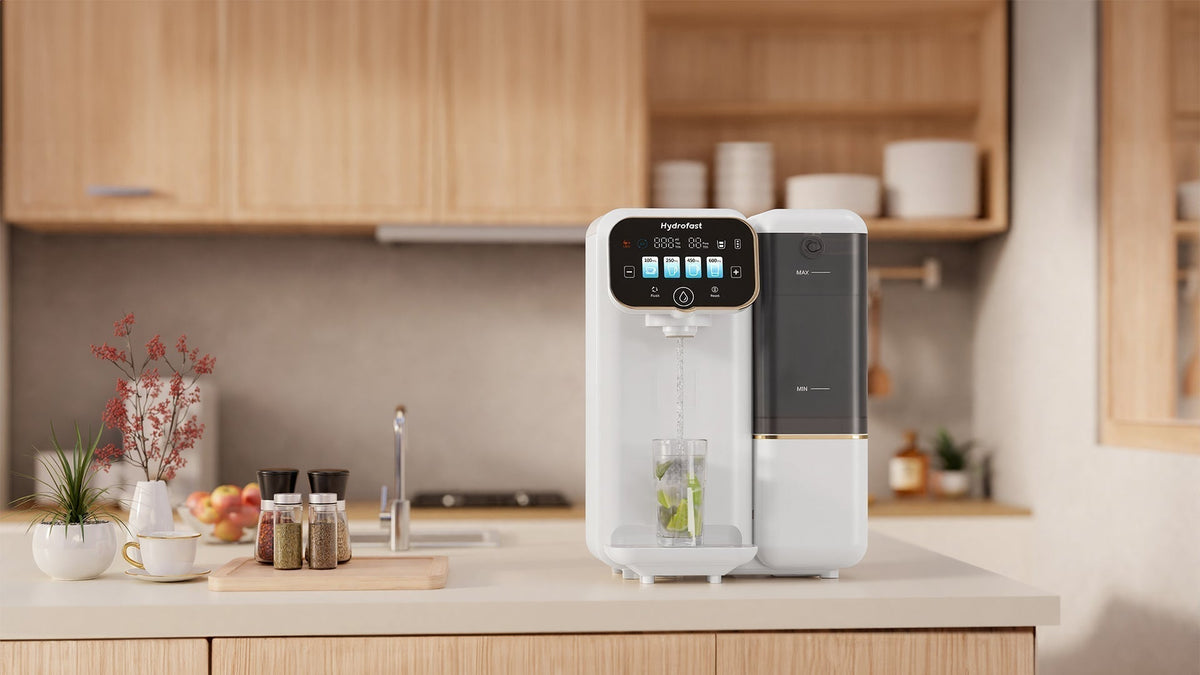
Summer changes how people drink water. You drink more throughout the day. You make more iced coffee, tea, and cold drinks. And when temperatures rise, water quality and convenience matter more.
Pitcher filters have been popular for years because they are simple and affordable. But more households are now switching to a countertop water filter for cleaner drinking water and easier daily hydration.
So which option is better for summer use? Let’s break it down.
How Pitcher Water Filters Work
Pitcher filters use activated carbon to improve tap water. The water slowly passes through the filter before reaching the pitcher reservoir.
This process helps reduce chlorine, odors, and some heavy metals. It can also improve taste compared to regular tap water.
Pitcher filters are popular because they are:
- Affordable
- Easy to use
- Compact
- Installation-free
For light daily use, they work reasonably well.
But they also have clear limitations — especially during summer.
Most pitcher filters only provide basic filtration. They are not designed to remove bacteria and viruses, microplastics, or higher levels of total dissolved solids (TDS).
Speed is another issue. You fill the pitcher and wait several minutes for filtration. On hot days, when you need water quickly and frequently, this becomes inconvenient.
Capacity is limited too. Most pitchers only hold a small amount of filtered drinking water. A family can empty one very quickly during summer hydration routines.
How Countertop RO Water Filters Work

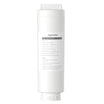
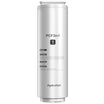
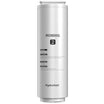
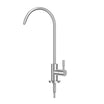
Reverse osmosis (RO) systems use a more advanced water treatment process. A modern countertop water filter system is designed to bring this technology into everyday homes without installation.
Inside the system, water passes through multiple filtration stages. The core technology is the RO membrane — a semi-permeable membrane that filters contaminants at an extremely small level.
This helps reduce contaminants commonly found in tap water, including:
- Heavy metals
- Chlorine
- Microplastics
- Volatile organic compounds (VOCs)
- Some bacteria and viruses
Many countertop reverse osmosis systems also include UV sterilization and mineral restoration stages.
That means the water is not only cleaner, but also tastes fresher and more balanced. Some systems add back healthy minerals like calcium and magnesium after filtration to improve taste and drinking experience.
The result is pure water with noticeably higher water quality compared to basic filtration methods.
Modern countertop water filtration systems are also very easy to use. Most are plug-and-play designs that require no installation, plumbing work, or technical setup.
You simply fill the tank, plug in the system, and start producing filtered drinking water.
Countertop vs. Pitcher Water Filter: Key Differences
Filtration Performance
Pitcher filters mainly improve taste and reduce chlorine.
Countertop reverse osmosis filters go much further. The RO membrane filters at around 0.0001 microns. This allows it to reduce contaminants that basic carbon filters cannot effectively remove.
For households concerned about water quality and long-term health, the difference is significant and easy to notice in daily use.

Water Taste
Good drinking water should taste clean, neutral, and refreshing.
Pitcher filters can improve taste slightly, but they still leave more dissolved substances in the water.
A countertop RO water filter usually delivers cleaner and more consistent taste because it removes a wider range of unwanted substances from tap water.
Systems that restore calcium and magnesium often create a smoother and more natural mouthfeel as well, making hydration more enjoyable throughout the day.
Cold Water Convenience
This becomes a major advantage during summer.
Pitcher filters usually need refrigerator space if you want cold water. Once the water runs out, you must refill and wait again.
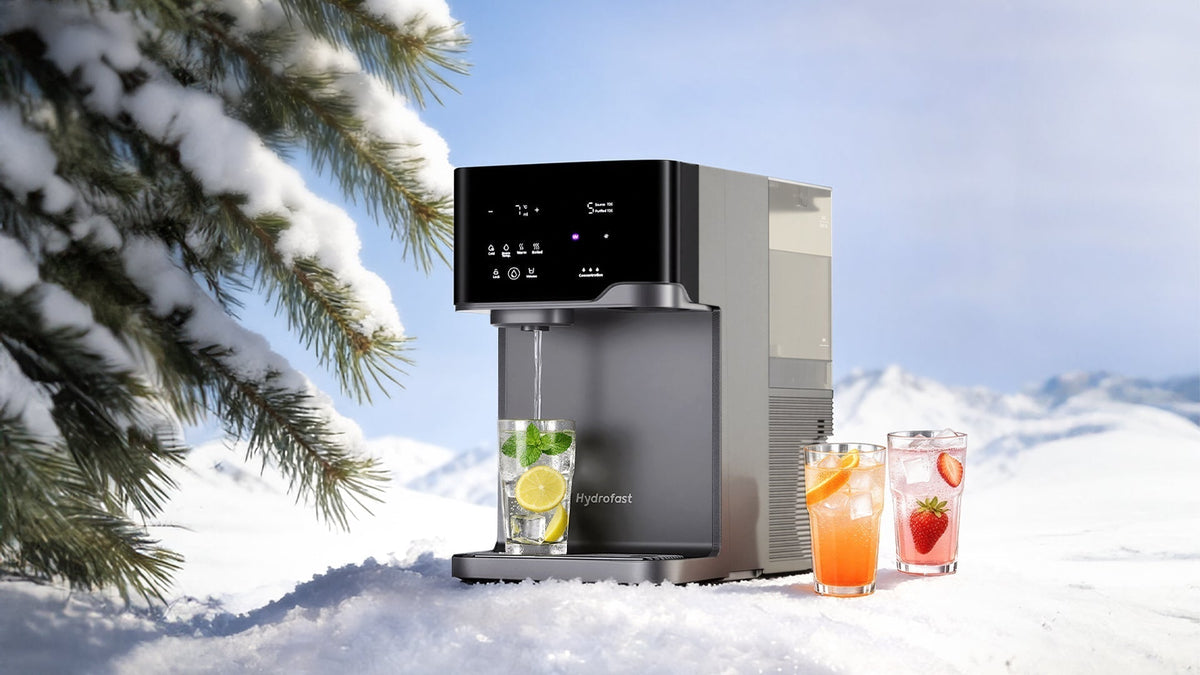
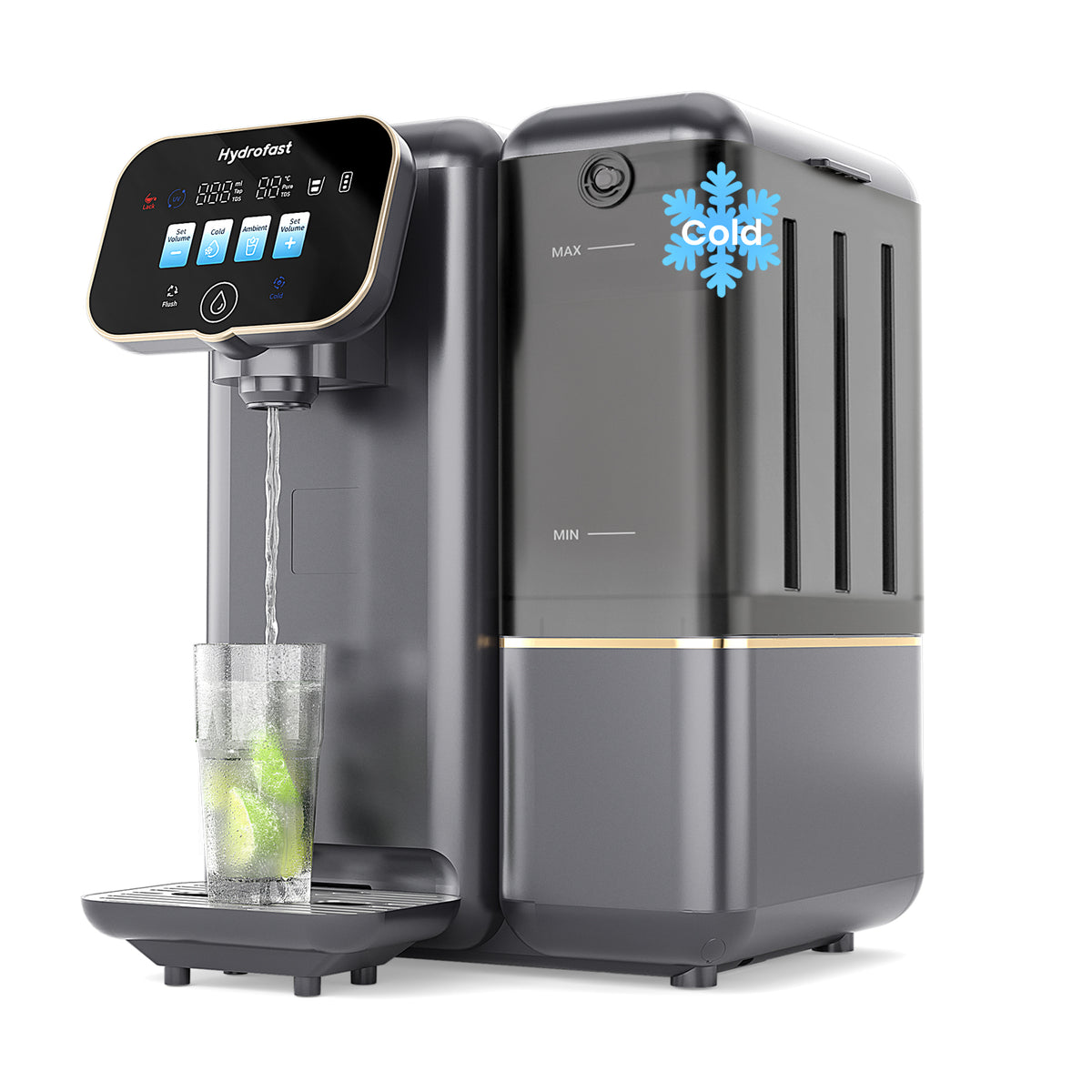
Some countertop water filter systems include built-in cooling functions. This means cold drinking water is available faster, without relying on ice cubes or fridge storage.
For summer hydration, this convenience makes a noticeable difference in daily routine

Capacity and Daily Use
Pitcher filters work best for individuals or light use.
A countertop water filtration system is more practical for:
- Families
- Couples
- Offices
- Frequent cold drink preparation
- High daily hydration needs
Larger tanks and faster filtration make daily use smoother and more consistent, especially during hot seasons when water demand increases.
Maintenance and Ease of Use
Pitcher filters usually require cartridge replacement every 1–2 months.
Modern RO systems often offer a much longer filter life. Many systems only need filter replacement once a year.
Replacement is also simpler than many users expect. In most cases, the old filter twists out and the new one clicks into place. This reduces ongoing maintenance effort and makes long-term use easier.
Which Water Filter Is Better for Different Households?
Small Apartments
A pitcher filter can work for one person with low water consumption.
But compact countertop reverse osmosis systems are becoming more popular in apartments because they provide better water quality without permanent installation.
Families
Families usually need larger amounts of filtered drinking water every day.
A countertop reverse osmosis system handles this much more efficiently. It provides faster filtration, higher capacity, and more consistent water quality for multiple users.
Office Use
Office environments go through a surprising amount of drinking water.
A countertop water filtration system is convenient because it requires no plumbing and can support shared daily use more easily than a small pitcher.
It also reduces the need for bottled water delivery, which is common in workplaces.
Summer Hydration Scenarios
Summer usually means more cold and refreshing drinks, including:
- Iced coffee
- Cold brew
- Fruit-infused water
- Smoothies
- Sports drinks
A countertop water filter system supports these habits better because it can produce more purified water throughout the day without delay.
Hydrofast B100 vs. Hydrofast C100
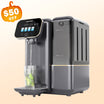
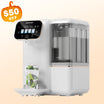
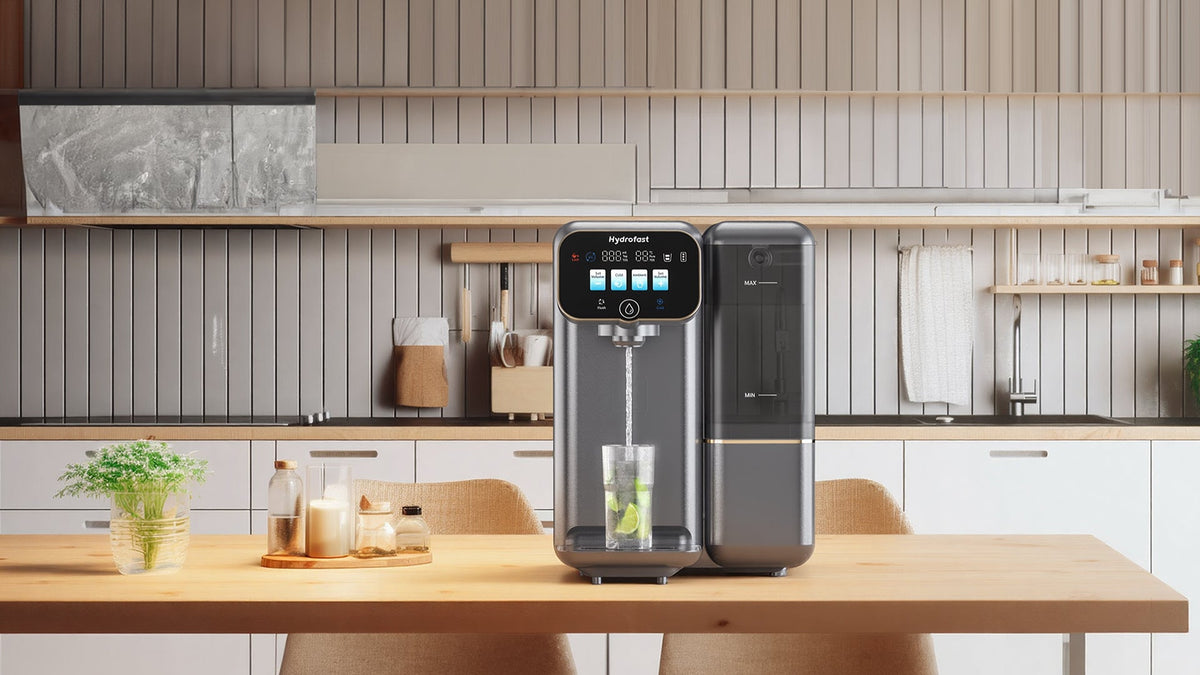
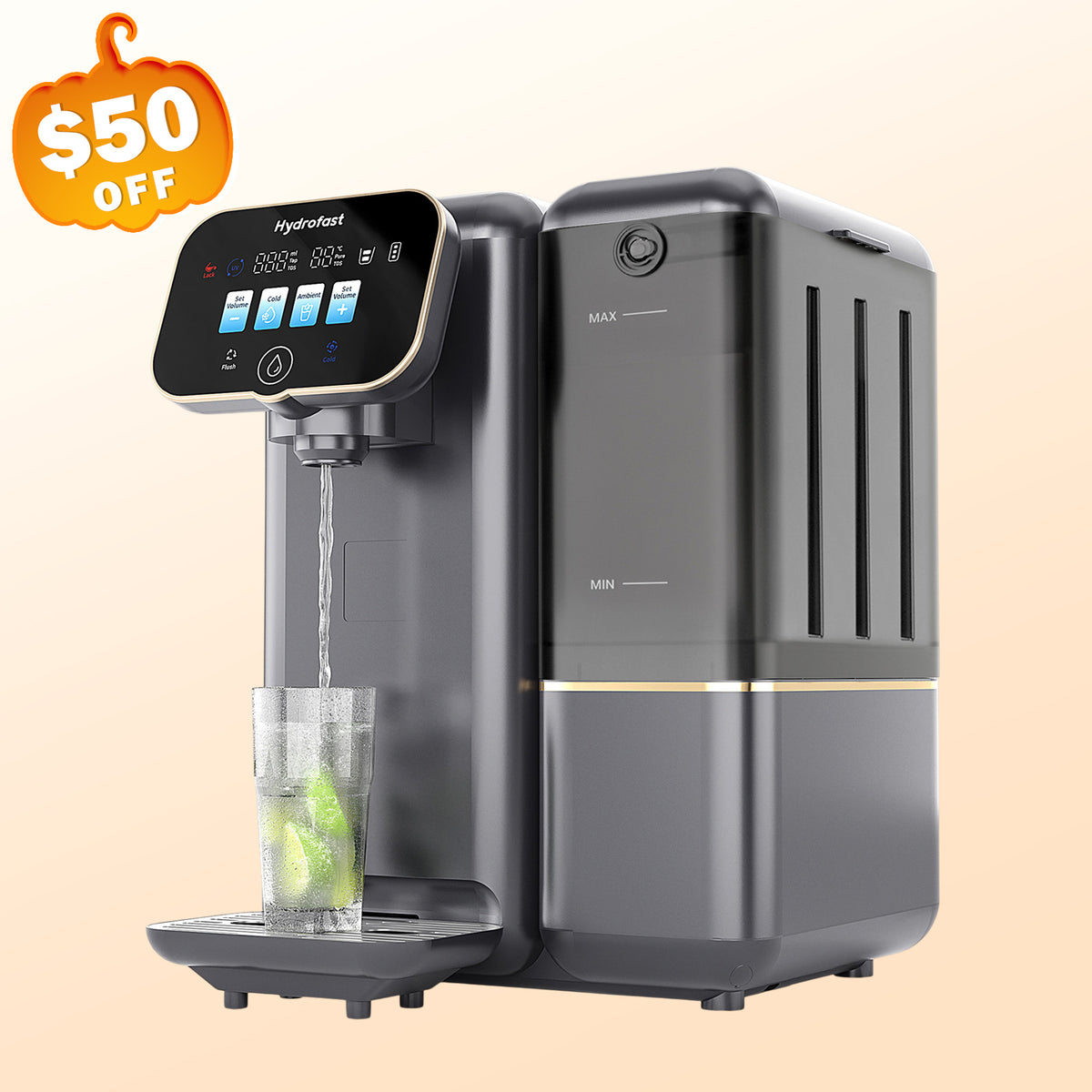
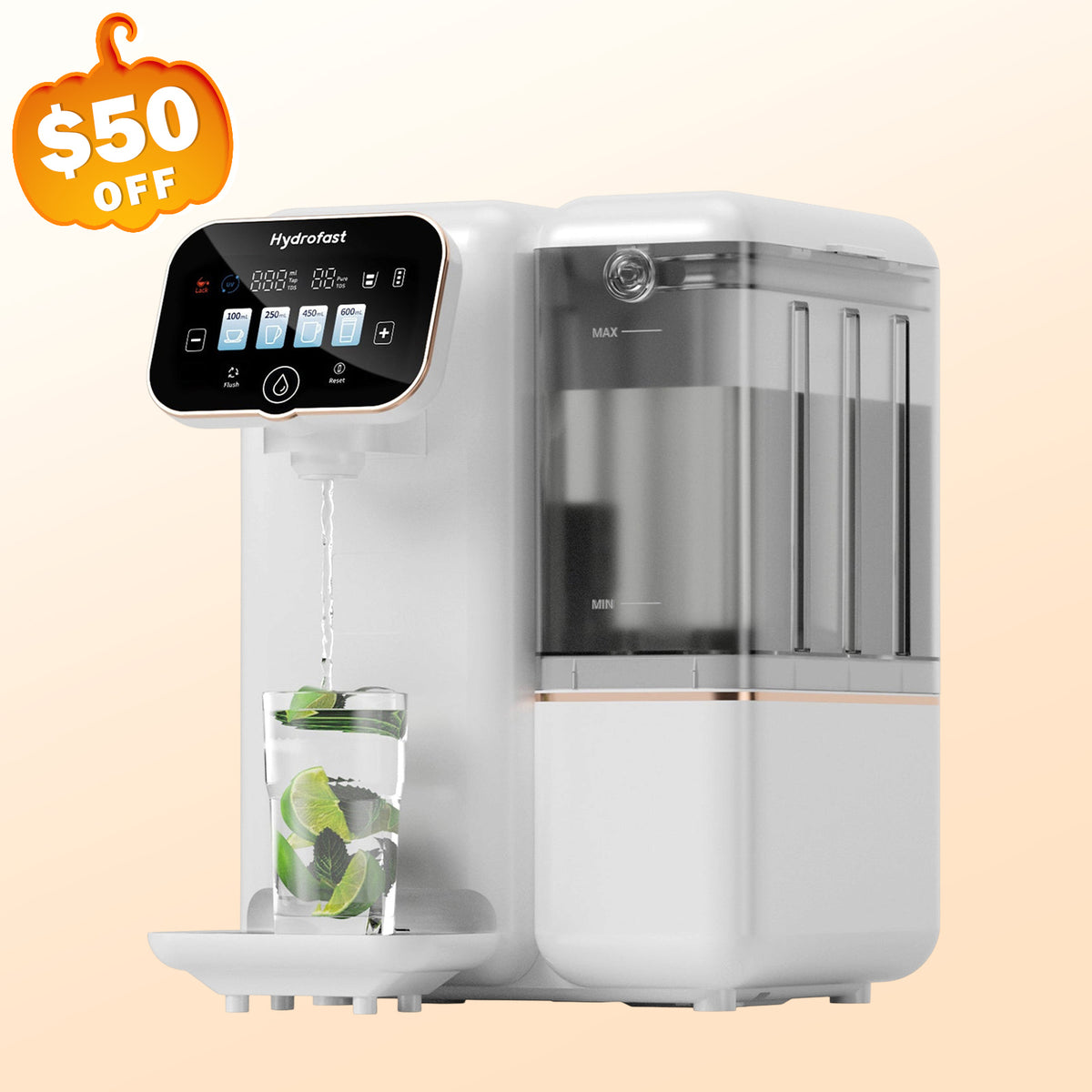
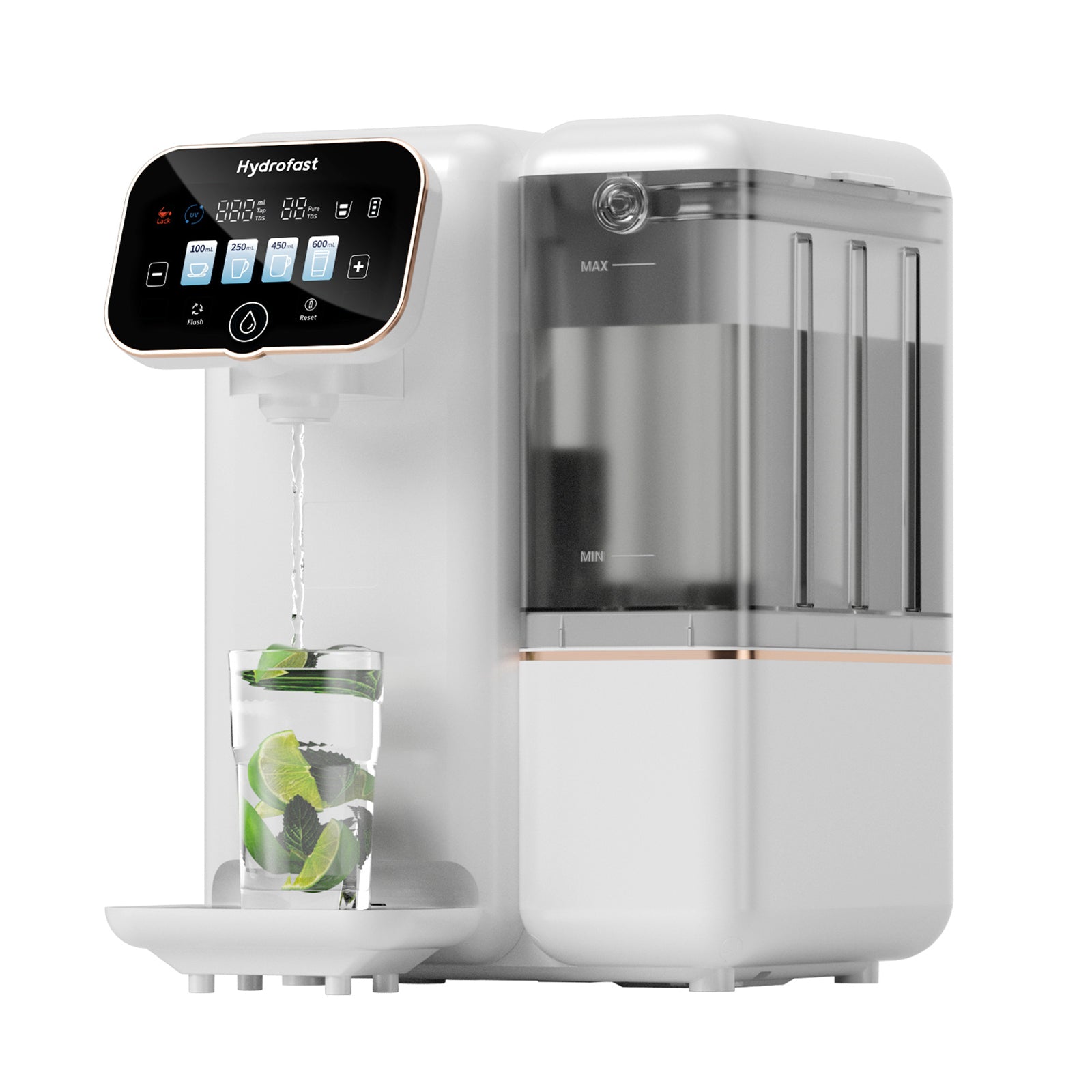
Both the Hydrofast B100 and C100 are plug-and-play countertop reverse osmosis systems.
They share the same advanced water filtration platform, including a multi-stage filtration system, RO membrane, and UV sterilization. Both systems are designed to improve water quality while reducing contaminants from tap water.
They also include real-time TDS monitoring, allowing users to check drinking water quality instantly. This visibility helps users feel more confident about their daily hydration.
Why Choose Hydrofast B100
The B100 is designed for everyday hydration and simplicity.
It provides clean, great-tasting pure water with a compact countertop design that fits easily into apartments and kitchens.
The long filter life also makes maintenance simple for daily use.
For users who mainly want reliable drinking water without extra features, the B100 is a practical choice.

Why Choose Hydrofast C100
The C100 is built for households with higher summer hydration needs.
Its built-in cooling function delivers cold pure water on demand, making it ideal for:
- Families
- Offices
- Summer gatherings
- Frequent cold drink preparation
For users who regularly want cold filtered drinking water without relying on bottled drinks, the C100 offers greater convenience and consistency.
Conclusion
Pitcher filters are affordable and easy to start with. For light use, they can work well.
But countertop reverse osmosis systems offer deeper filtration, better water quality, larger capacity, and easier daily hydration.
During summer especially, the ability to reduce contaminants from tap water while producing more pure water throughout the day becomes a major advantage.
The Hydrofast B100 is a strong everyday option. The Hydrofast C100 adds cold water convenience for heavier summer use.
Either way, a modern countertop water filtration system can make staying hydrated cleaner, easier, and more enjoyable.


Leave a comment
All comments are moderated before being published.
This site is protected by hCaptcha and the hCaptcha Privacy Policy and Terms of Service apply.