



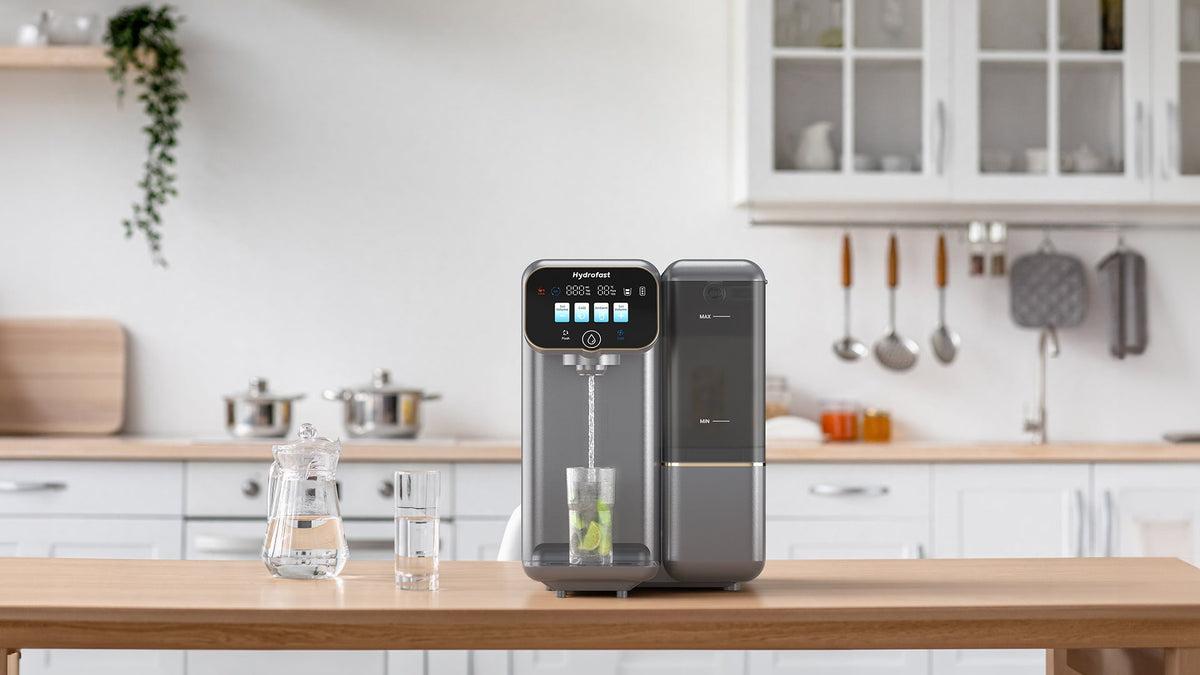
Reverse osmosis (RO) is one of the most effective home water filtration technologies available today. A reverse osmosis water filter can reduce dissolved solids and a wide range of contaminants, including heavy metals, chlorine byproducts, nitrates, fluoride, and microplastics.
Because of this, RO is often used as an alternative to bottled water.
But one important question remains:
Is reverse osmosis water sustainable?
The answer depends on context. RO is not automatically sustainable, and it is not automatically unsustainable either. Its environmental impact depends on system efficiency, usage habits, filter lifespan, and whether it actually replaces bottled water in daily life.
Rather than treating sustainability as a simple yes-or-no question, it is more useful to evaluate RO through measurable factors such as water efficiency, plastic reduction, maintenance needs, and long-term everyday use.
Is Reverse Osmosis Water Sustainable? The Short Answer
Reverse osmosis is neither fully sustainable nor inherently unsustainable. Its environmental impact depends on how the system is designed, maintained, and used.
A reverse osmosis water filter can be a more sustainable option when it:
- consistently replaces bottled water
- uses water efficiently
- has a longer filter lifespan
- supports regular daily use in the home
If the system is rarely used, wastes excessive water, or does not meaningfully reduce bottled water consumption, its environmental benefit becomes much more limited.
Why RO Is Not Simply Sustainable or Unsustainable
RO systems involve trade-offs.
On one hand, they can reduce dependence on bottled water and lower plastic packaging waste. On the other hand, they generate some wastewater and require periodic filter replacement.
Because of these trade-offs, the overall environmental impact of RO depends more on real-world usage conditions than on the technology alone.
The Key Factors That Determine Environmental Impact
Four main factors shape the sustainability of an RO system:
- Water recovery rate: how much purified water the system produces compared with wastewater
- Filter lifespan: how often filters and membranes need to be replaced
- Energy use: whether the system relies on pumps, UV modules, or cooling functions
- Bottled water reduction: whether the system actually replaces packaged drinking water
Among these factors, replacing bottled water often has the greatest environmental benefit in household use.
Why Usage Context Matters More Than the Technology
The same reverse osmosis water filter can lead to very different sustainability outcomes.
A household that uses RO every day and stops buying bottled water can significantly reduce plastic waste over time. A household that uses the system only occasionally while continuing to buy bottled water gains far less environmental benefit.
The difference comes from behavior, not just filtration performance.
What Reverse Osmosis Actually Does
RO works by pushing water through a semi-permeable membrane under pressure. The membrane allows water molecules to pass through while reducing many dissolved impurities and unwanted substances.
How the RO Filtration Process Works

Most reverse osmosis water filter systems include:
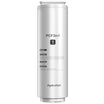
- Pre-filtration for sediment and chlorine reduction
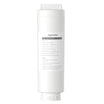
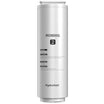
- RO membrane as the core purification stage
- Post-filtration for taste improvement
- Optional UV sterilization
- Optional remineralization
Each stage plays a specific role in protecting system performance and improving final water quality.
What RO Removes From Water and Why It Matters
Depending on the system design and source water quality, RO can reduce:
- heavy metals such as lead
- chlorine and certain byproducts
- nitrates and fluoride
- microplastics
- many dissolved solids
- certain microorganisms, depending on system design and maintenance
This is one reason RO is widely used for drinking water improvement in the home.
Why Reverse Osmosis Raises Sustainability Concerns
Despite its effectiveness, RO still comes with environmental trade-offs that should be considered.
Does Reverse Osmosis Produce Wastewater?
Yes.
RO separates incoming water into two streams:
- purified water for drinking and cooking
- wastewater containing concentrated impurities
Older systems may waste more water, while newer systems are typically more efficient. Even so, some wastewater is still part of the RO process.
Energy Use and Filter Replacement Impact
Most household RO systems use little electricity, although some models include pumps, UV modules, or cooling functions that increase energy use.
Filters and membranes also need to be replaced periodically, which creates some material waste. However, for many households, RO may still have a lower overall environmental burden than frequent bottled water use.
When RO Can Be a More Sustainable Choice
RO becomes more sustainable when it functions as a true replacement for bottled water rather than an occasional backup option.
Replacing Bottled Water at Home
Bottled water often involves:
- plastic production
- packaging waste
- transport emissions
- refrigeration and storage
A reverse osmosis water filter can reduce or eliminate this dependency, especially for households that drink purified water every day.
Reducing Long-Term Plastic Waste
Reducing plastic use at the source is often more effective than relying on recycling alone. When RO replaces bottled water consistently, it can significantly reduce long-term plastic waste in the home.
How Usage Volume Changes Environmental Impact
Higher daily use generally improves the environmental value per liter of filtered water.
- High daily use → stronger sustainability benefit
- Low daily use → weaker environmental benefit from the system
In other words, consistency matters.
What Makes an RO System More Sustainable?
If sustainability is a priority, look for these features:
- a better pure-to-waste water ratio
- longer filter lifespan
- low energy consumption
- system capacity that matches household needs
- easy maintenance that supports long-term daily use
A more sustainable RO system is not just efficient on paper. It should also be practical enough to become part of everyday life.
Traditional Under-Sink RO vs. Countertop Water Filter Systems
Both system types can deliver strong filtration performance, but user behavior often differs.
Installation and Accessibility Differences
Under-sink systems usually require:
- plumbing work
- permanent installation
- more setup time
Countertop water filter systems are typically:
- installation-free
- easier to set up
- more renter-friendly
- easier to access on a daily basis
Why Countertop RO Can Encourage More Consistent Use
Countertop systems are visible, convenient, and easier to integrate into everyday routines. That convenience often leads to more regular use, which improves the likelihood that the system will actually replace bottled water.
In real-world sustainability terms, ease of use matters.
Hydrofast B100 and C100: Designed for Everyday Sustainable Use
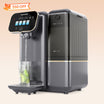
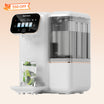
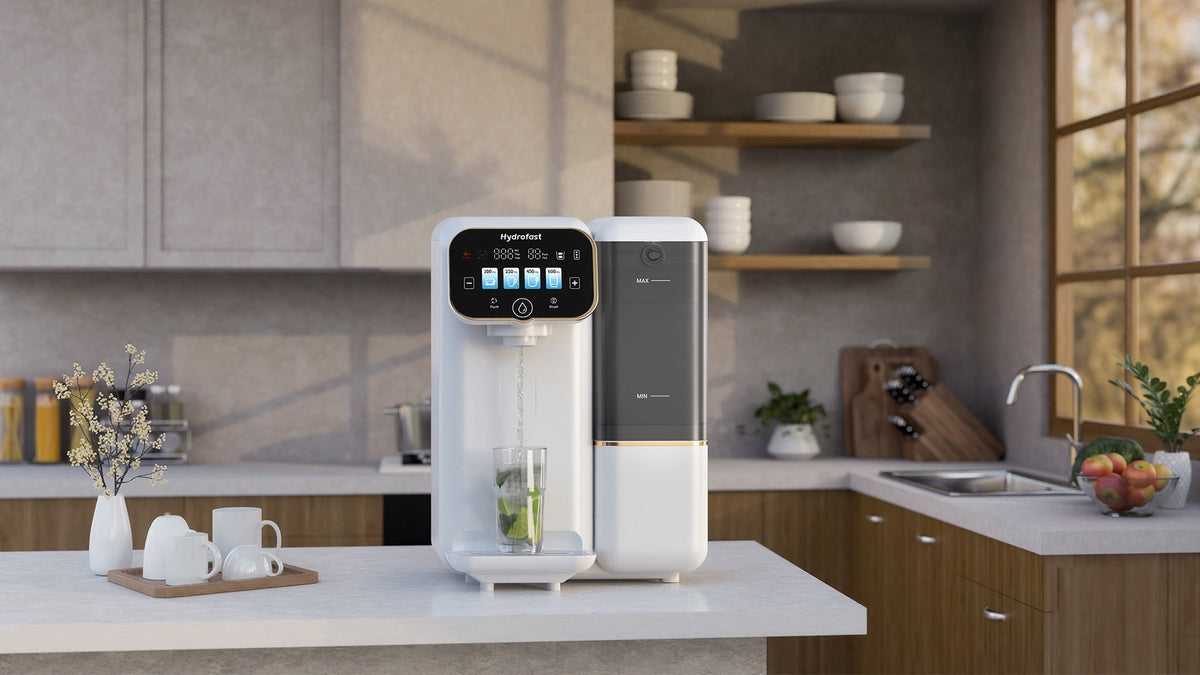
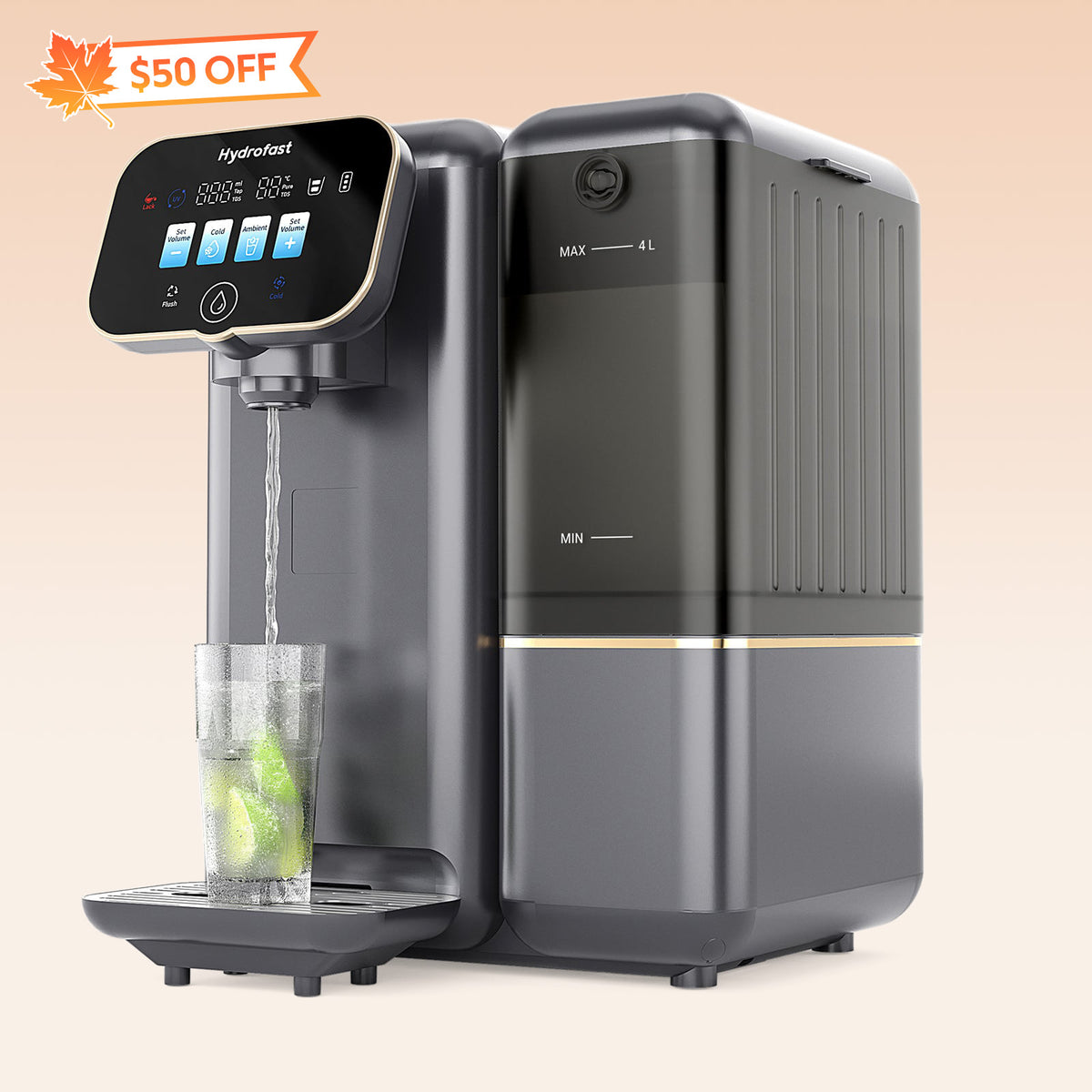
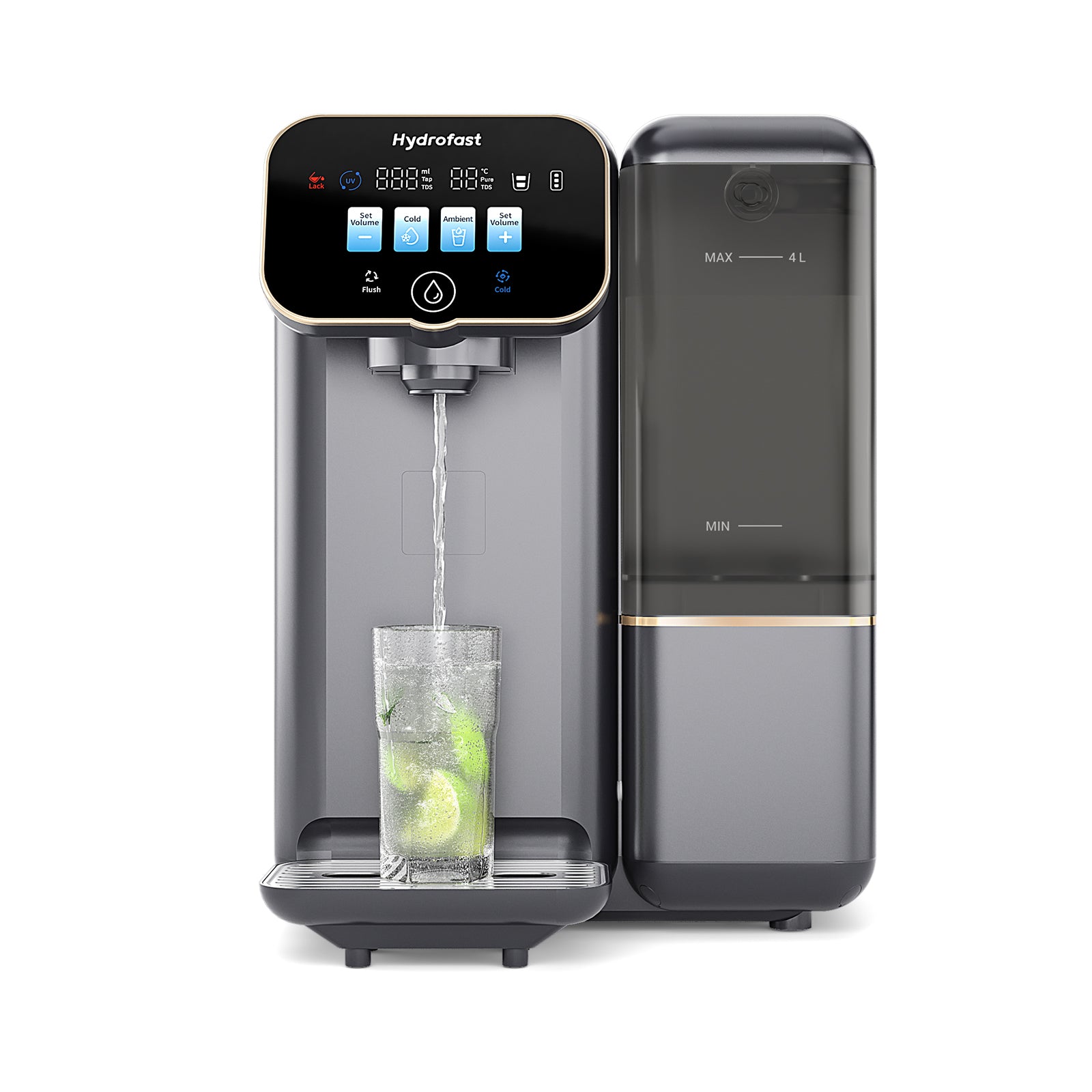
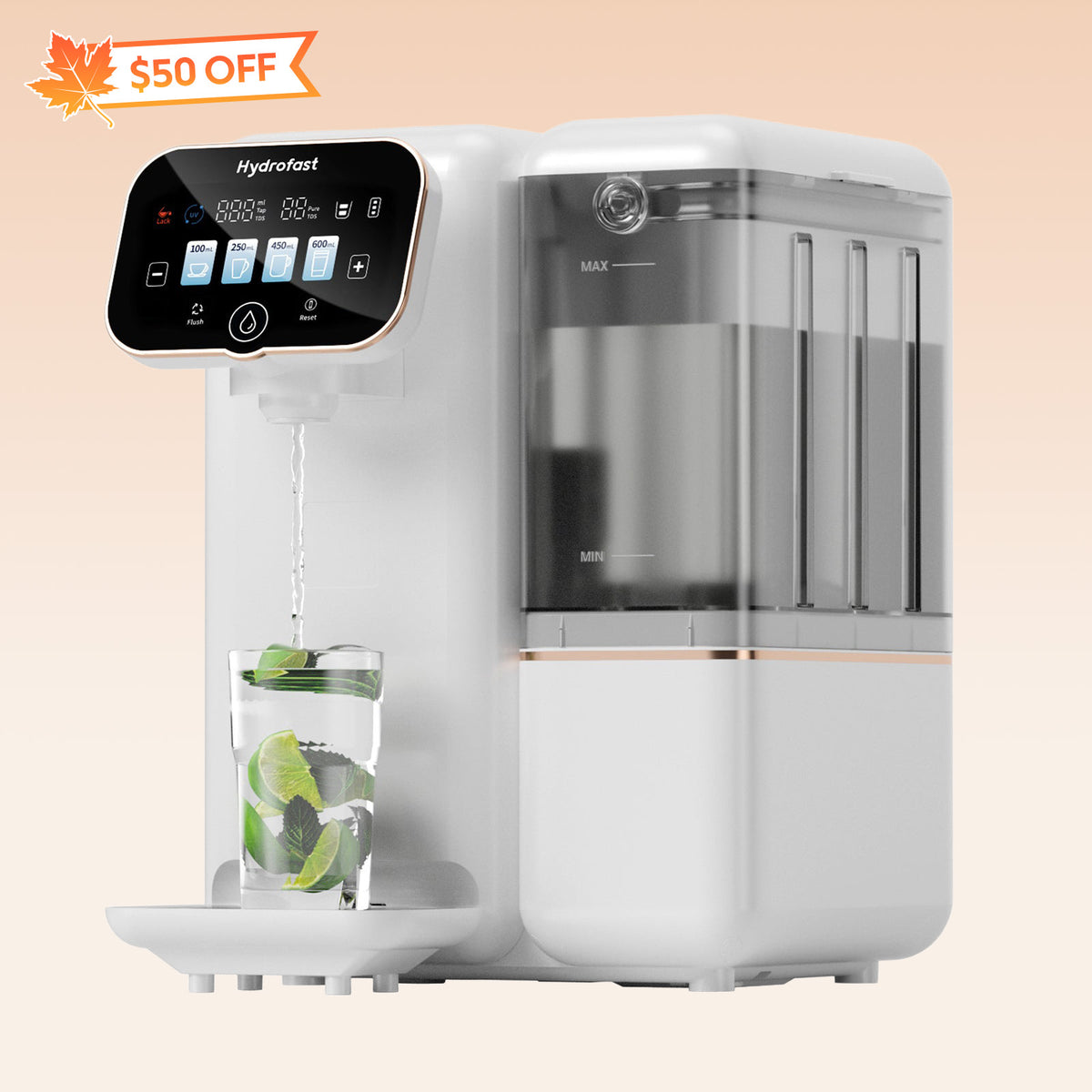
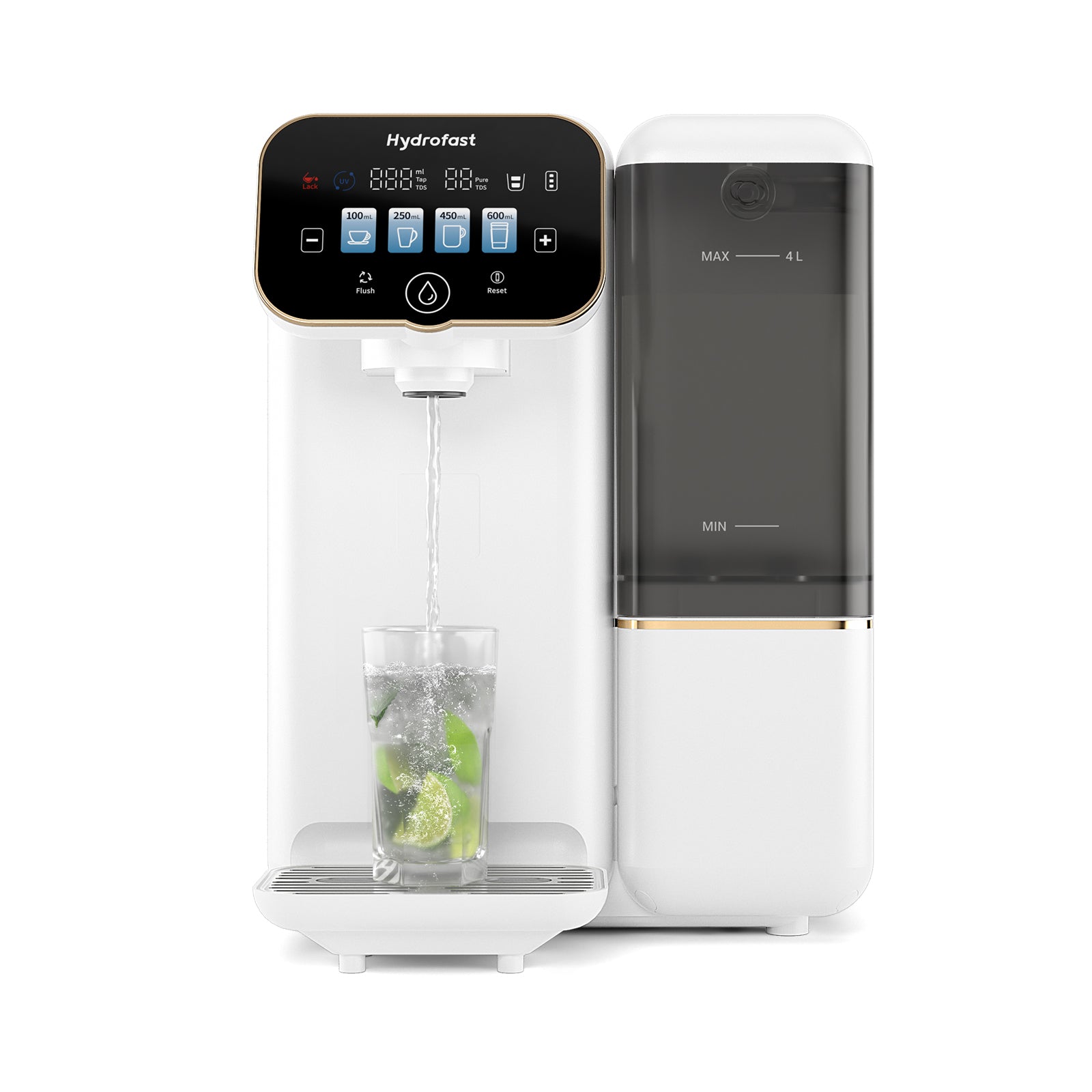
Hydrofast B100 and Hydrofast C100 are installation-free countertop reverse osmosis water filter systems designed for daily household use.
Both models use a 6-stage filtration system with RO membrane technology. According to product specifications, they are designed with a filtration precision of 0.0001 microns and can reduce over 95% of total dissolved solids (TDS), along with a wide range of contaminants such as heavy metals, chlorine byproducts, nitrates, fluoride, and microplastics.

Both systems also include features designed to support water quality and ease of use, including:
- UV sterilization
- mineral rebalancing
- real-time TDS monitoring
- filter life tracking
- multiple dispensing modes
- quick filter replacement
From a sustainability perspective, one of the most important product features is the 3:1 pure-to-waste water ratio, which helps reduce water loss compared with many traditional RO systems.
The installation-free countertop design also makes the system easier to use in kitchens, offices, rental homes, and mobile living spaces. That accessibility can support more consistent daily use, which is one of the most important drivers of real-world sustainability.
Hydrofast B100: Focused Daily Drinking Water Use
Hydrofast B100 is designed for users who mainly want room-temperature purified drinking water.
Because it does not include a cooling system, it operates with lower rated power at 48W, which may appeal to users looking for a simpler and more energy-conscious setup.
B100 is a strong fit for households looking for a straightforward way to replace bottled drinking water at home.

Hydrofast C100: Added Chilled Water Functionality
Hydrofast C100 uses the same core filtration platform but adds chilled water functionality for users who prefer cold drinking water on demand.
It provides room-temperature water as well as chilled water at about 10°C.
C100 is well suited for users who want chilled purified water without relying on bottled water or refrigerator storage.

How to Make Reverse Osmosis More Sustainable at Home
To improve the sustainability of an RO system:
- choose a system that matches your daily water habits
- replace filters on schedule
- use RO as your primary drinking water source instead of bottled water
- prioritize regular, long-term use
The biggest factor is consistency. The more effectively RO replaces bottled water in daily life, the stronger its environmental value becomes.
Conclusion: Is Reverse Osmosis Water Sustainable?
Reverse osmosis can be a sustainable choice, but only when it is used in a way that supports long-term daily adoption.
Its environmental impact depends on water efficiency, maintenance, energy use, and whether it meaningfully replaces bottled water. When used consistently with an efficient system, RO can help reduce plastic waste and support more sustainable household water use.
The key idea is simple:
Sustainability does not come from the technology alone. It comes from how that technology is used in real life.
FAQ
Is reverse osmosis water environmentally friendly?
It can be. RO is more environmentally friendly when it replaces bottled water consistently and is used with an efficient system.
Does reverse osmosis waste a lot of water?
Some older systems waste more water. Newer systems are generally more efficient, but most still produce some wastewater as part of the filtration process.
Is RO better than bottled water for the environment?
In many household situations, yes. RO can reduce plastic waste and lower the environmental impact associated with bottled water packaging and transport.
Are countertop RO systems more sustainable than under-sink systems?
Not always. However, countertop water filter systems often encourage more regular use because they are easier to access and install.
What is the biggest downside of reverse osmosis?
The main trade-offs are wastewater generation and filter replacement waste, although these may be offset when the system significantly reduces bottled water use.



Leave a comment
All comments are moderated before being published.
This site is protected by hCaptcha and the hCaptcha Privacy Policy and Terms of Service apply.