



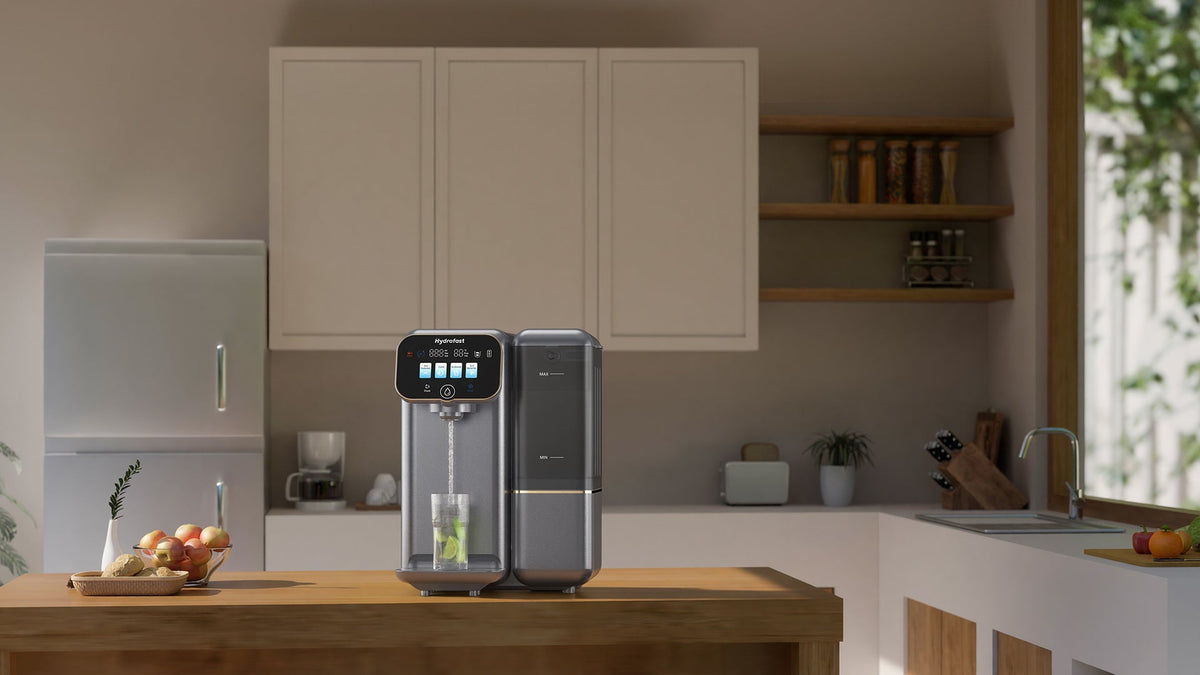
The average adult should have about 11.5 to 15.5 cups (2.7 to 3.7 liters) of water per day. That ensures you get enough water to help keep your body temperature stable, flush out waste, cushion your joints, and carry nutrients to cells all over your body. Without the right quality in that water, you risk exposing vital organs and processes to contamination.
For many people, it’s pretty common to purchase a bottle of water while on the road or in between work shifts. The trouble is, you constantly have an expense that takes up more space in your recycling and kitchen cabinets. You’re creating more waste than you may want.
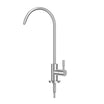
An alternative is to use a reverse osmosis countertop water filter system like those from Hydrofast. That advanced filtration doesn’t require extensive plumbing around your kitchen. It offers the convenience of daily hydration “on the go” at the temperature you want.
The Real Cost of Your Daily Drinking Water
Americans purchase about 50 billion water bottles per year. It’s far too easy. There are hundreds of new water brands cropping up all the time, and when you’re thirsty, you want a satisfying drink. When all is said and done, that average works out to about $5 per week, or $260 per year spent on water bottles. When you add in a family of four, that’s the cost of a weekend vacation.
Other expenses go into your daily water bottle drinking routine. The purchase price of the bottle is not the only factor. There’s also:
- The cost of getting to and from a store in fuel or public transportation
- Wasted space for storing those water bottles
- The added plastic to local landfills requiring taxes to support safe recycling or disposal
- Time it takes to remember to purchase more bottles for preparing for the next week’s activities
- The cost of manufacturing, producing, marketing, and selling those water bottles
Lowering your demand for plastic water bottles reduces your costs and manufacturers' use of resources. A water filter solution can eliminate much of that plastic lifecycle and cost from your daily routine.
Why a Countertop Water Filter Beats the Bottle
The Real Difference Starts with Water Quality
When comparing plastic-bottled water with reliable countertop water purifiers, cost is not the only factor to consider. Water quality is equally critical. A key quality concern with bottled water is microplastic contamination. Shaking the bottle, twisting off the cap, or temperature fluctuations can cause tiny plastic particles to shed from the bottle body and cap, ending up in the water you drink.
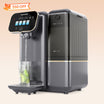
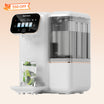
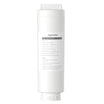
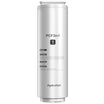
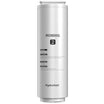
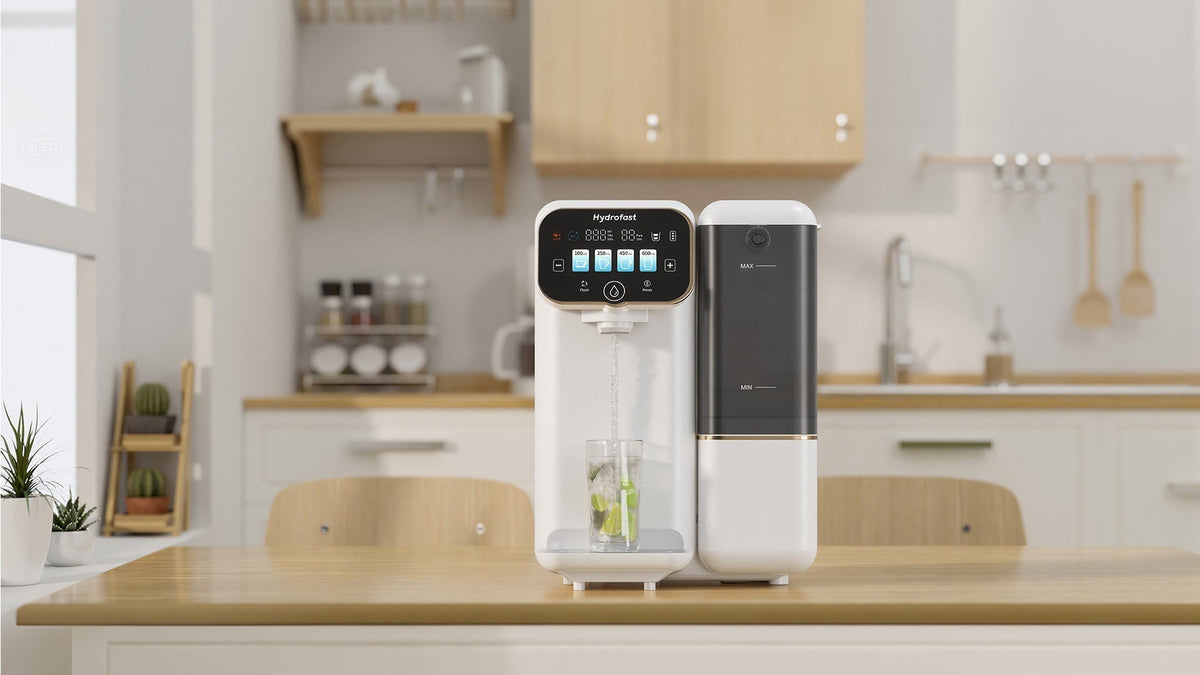
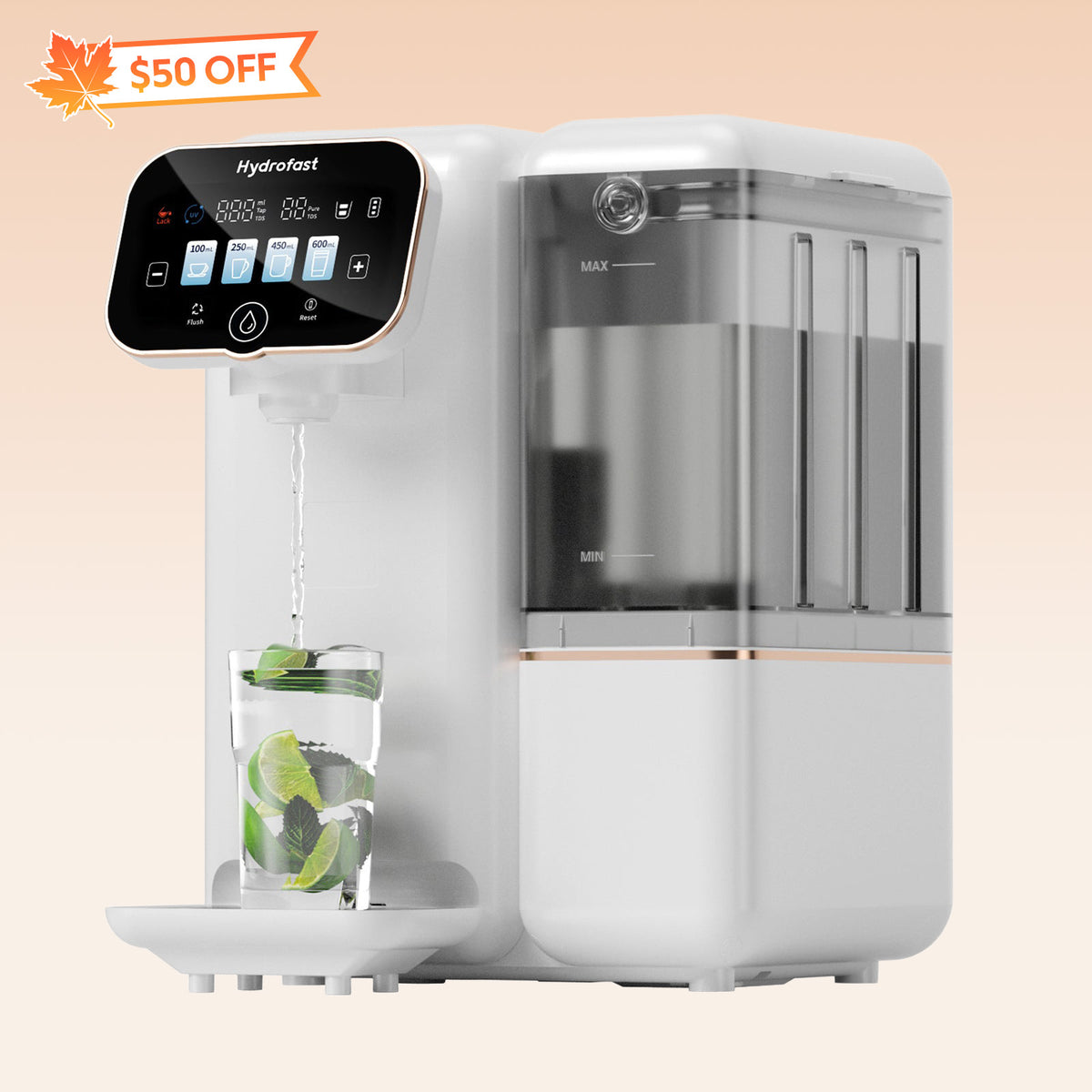
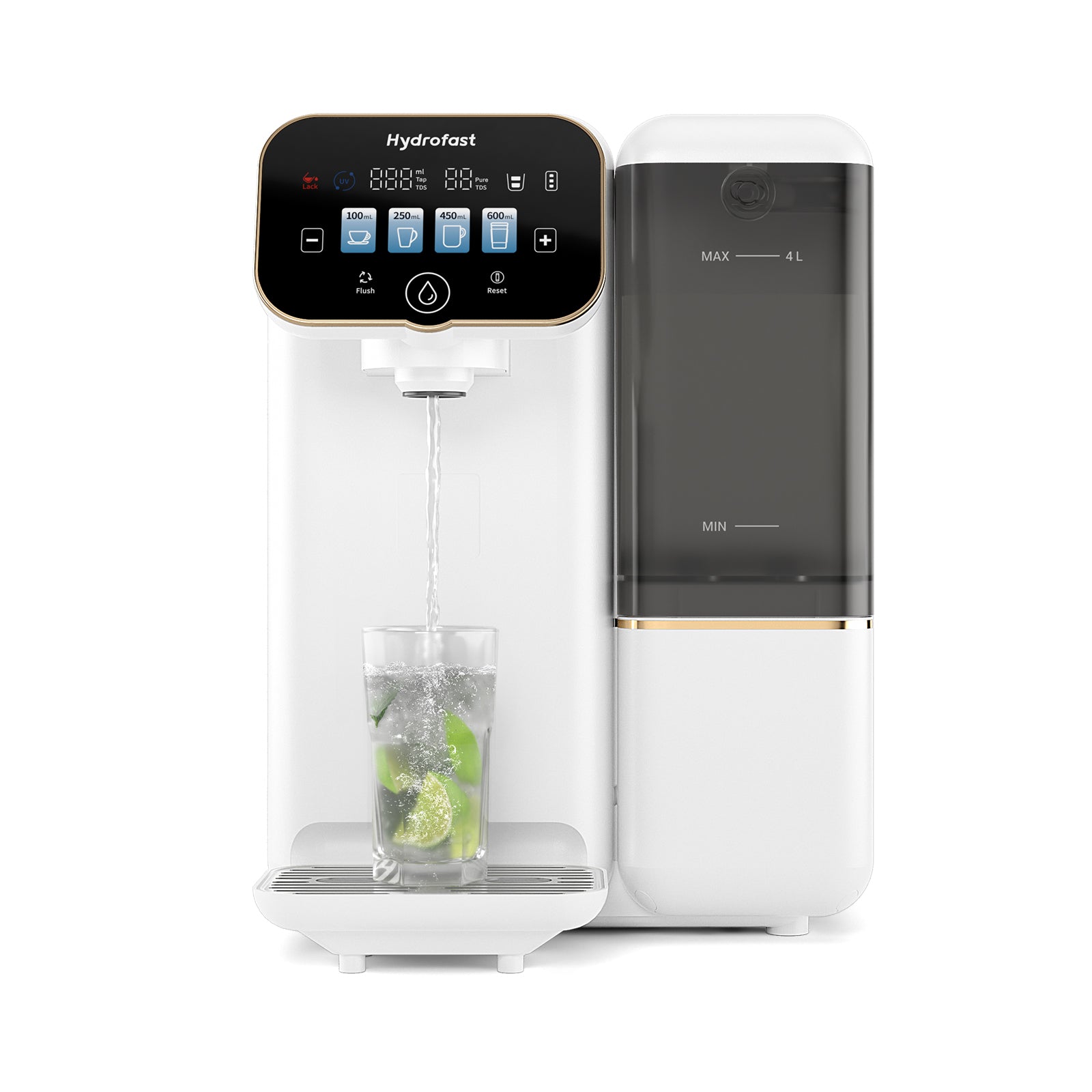
The Hydrofast B100 and Hydrofast C100 effectively address this issue. Both are fitted with a 6-stage filtration system consisting of the following components:
- Polypropylene Sediment Filter
- Coconut Carbon Block Filter
- Reverse Osmosis Membrane (0.0001 μm)
- Post Carbon Filter
- Mineral Filter
- UV Sterilization

While removing impurities and harmful contaminants from water, this system replenishes beneficial minerals (Na⁺, Ca²⁺, Zn²⁺, K⁺ and Mg²⁺) to further improve water taste. In addition, the Hydrofast B100 and C100 feature real-time TDS monitoring, allowing users to keep track of water quality and filter-cartridge status.
More than just countertop water purifiers, the Hydrofast B100 and C100 are complete home water-treatment systems that deliver pure drinking water right on your countertop. Simply hold your cup under the dispenser, and you can enjoy clean water anytime.
Storage Convenience Battle: Cluttered Cabinets vs. Tidy Countertops
Another issue is space. Most cases of water bottles are around 27 to 30 pounds and measure 16 by 10 by 8 inches. That is a big demand for space, especially if you live in a busy multi-generational home or an apartment in an urban setting. You can use that same space for a microwave or other small appliance instead.
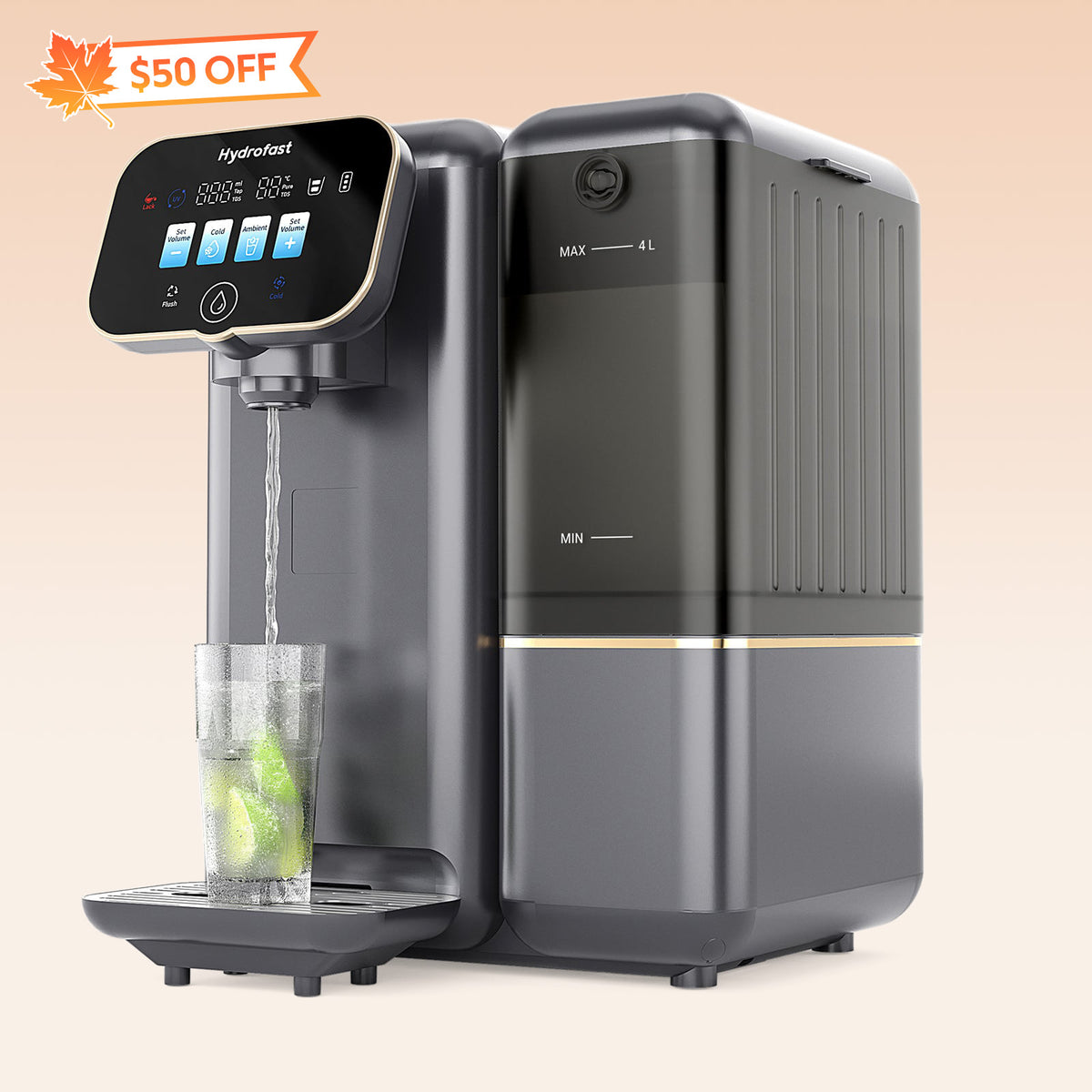
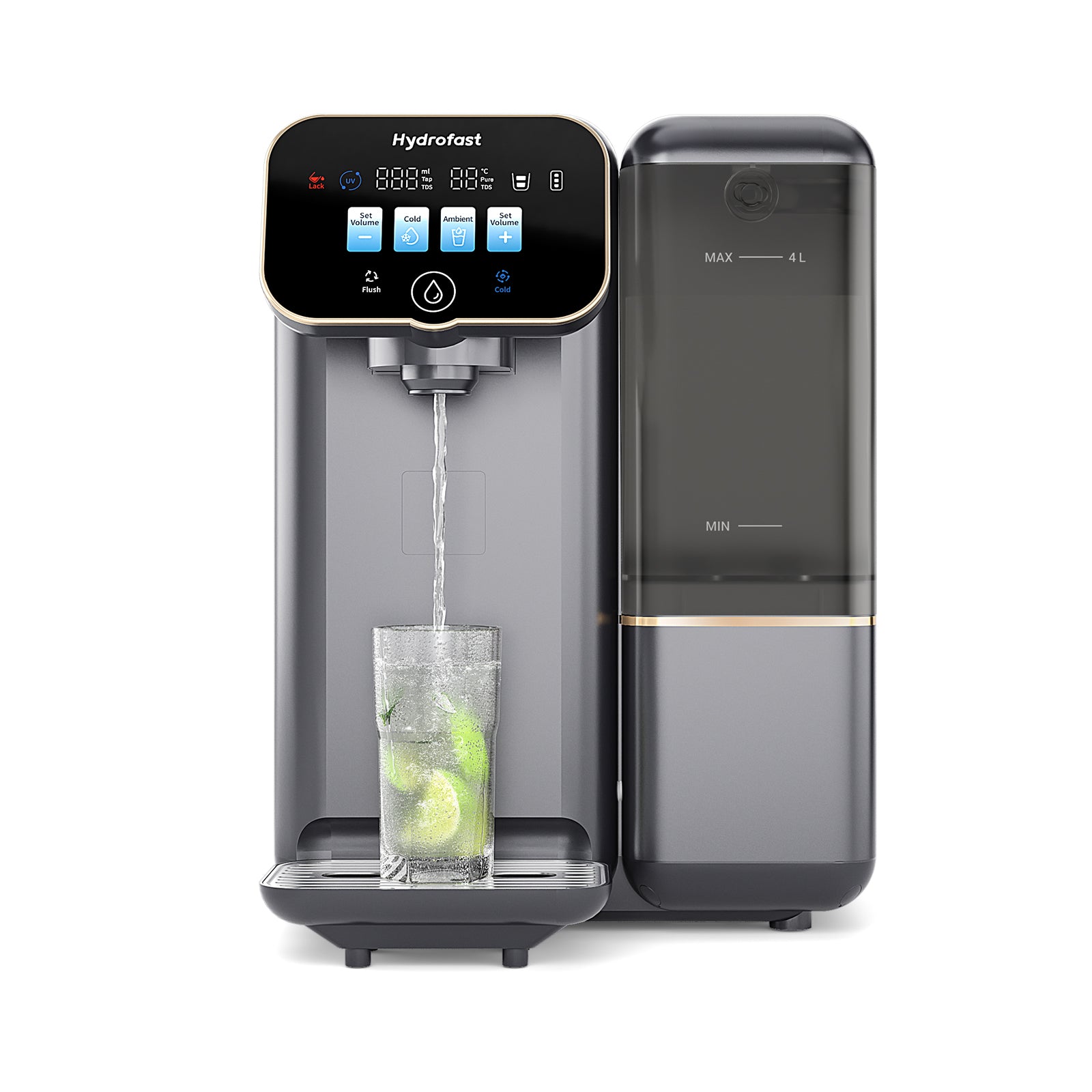
That’s why the Hydrofast B100 and C100 are designed for countertop water filtration. They offer 4-liter raw water tanks designed to sit comfortably on most countertops without the need for permanent plumbing solutions. That can be a significant benefit when you’re living in a home you don’t have access to or permission to modify.
Daily Expenses: Hidden Cost vs. Long-Term Savings
When you purchase a reverse osmosis water filtration system, don’t just think about the initial price tag. Consider how much money you’re spending when spread out over years of water bottle use. It is much more cost-efficient to have a reusable water flask or bottle that you can quickly refill before heading to work or meeting up with friends in the park.
Hydrofast designed both the B100 and C100 around a reusable filter system. These typically last up to 12 months under regular use and have self-cleaning systems to extend that lifespan whenever possible.
As for water waste, the technology behind reverse osmosis has improved significantly. You’ll find a 3:1 pure-to-drain ratio designed to recover more purified water than is discharged during filtration.
At a Glance: Bottled Water vs. Countertop RO Filter
| Factor | Bottled Water | Countertop RO Water Filter |
|---|---|---|
| Yearly spend | About $5 per week, or $260 per year | Reusable filter system lasting up to 12 months under regular use |
| Space needed | Cases around 27 to 30 pounds, measuring 16 by 10 by 8 inches | 4-liter raw water tanks that sit comfortably on most countertops |
| Water quality | Microplastic particles can shed from the bottle body and cap | 6-stage filtration plus replenished minerals and real-time TDS monitoring |
| Plastic waste | Added plastic to local landfills requiring taxes to support safe recycling or disposal | Up to 528 gallons per filter, comparable to around 4,000 individual plastic water bottles |
| Setup | Repeated store trips and remembering to restock | No permanent plumbing solutions; no plumber or landlord permission needed |
Why Hydrofast B100 & Hydrofast C100 Fit Modern Drinking Habits
Hydrofast knows not every household drinks water in the same exact way. That’s why there are two different versions of countertop water filters provided.
With the Hydrofast B100, you get the advanced 6-stage filtration you need using a 1.3-liter purified water tank that supports everything from taking a first sip of fresh water in the morning to having water for coffee and tea in the evening. The easy-to-use touchscreen offers real-time TDS ratings, filter life info, and the ability to select different dispensing volumes for whatever the day may bring next.

The Hydrofast C100 has much of the same high-tech filtration advancements, but also includes a chilling feature. You can get your reverse osmosis filtered water at ambient temperatures or dispensed at 50℉ (10℃). That can be a massive relief when you’ve been outside in the hot summer or want cold water to store in your reusable container for hitting the gym.

Both systems will help reduce your output and reliance on plastic water bottles, saving you money and time without sacrificing quality hydration.
Who Should Choose a Countertop RO Water Filter?
A countertop water filter system is right for a wide range of families and households. If you own your home and can make a whole-home system work in your budget, then that is great. If you’re not in that small minority, a countertop solution may be a wiser choice. It helps with:
- Families Looking for Cleaner Daily Water: A great solution to fill up children’s water bottles before school, help prepare last-minute dinners, hydrate pets, mix into drinks for friends, and make coffee before work.
- Apartment & Rental Homes: The countertop and easy-to-understand setup features of both the Hydrofast B100 and C100 ensure you have a hassle-free solution to safe, clean, and refreshing water. That reduces time wasted waiting for a nearby plumber to help or having to ask a landlord for permission.
- Anyone Trying to Reduce Bottled Water Dependence: Consumers are more aligned with sustainable practices. It’s perfectly reasonable to want a cleaner, more eco-friendly way to enjoy drinking water instead of wasting natural resources and adding more plastic to already growing landfills.
Hydrofast estimates the B100 can purify up to 528 gallons of water over the rated filter capacity. That is comparable to around 4,000 individual plastic water bottles. One filter alone can make a significant impact on how much waste you produce and the quality of water you enjoy.
Discover Your New Way to Drink Water
It’s true that bottled water isn’t going anywhere anytime soon. It is a portable, convenient way to satisfy thirst for millions of people every day. That doesn’t mean you have to fall into the same trap of higher expenses and waste.
Using a countertop RO filter gives you more control over the value and sustainability of your water usage. It’s a smarter way to enjoy purified water, offering convenience inside your home for all kinds of occasions. Both the Hydrofast B100 and C100 water filter systems can be a welcome change in doing your part for the environment, improving your annual expenses, and keeping your body well hydrated throughout the year.
Frequently Asked Questions (FAQ)
Can I fill reusable bottles directly from a countertop RO system?
Yes, there are several dispensing volume options for both the Hydrofast B100 and C100 systems. If you have a larger reusable bottle, that may require more than one dispensing cycle, but you should get the hang of it after the first day of use.
Can I use purified RO water for cooking?
Yes. Having access to filtered water can be a wonderful way to enhance the flavor and texture of your meals. It may benefit your food preparation, especially for soups, rice, pasta, sauces, coffee, and tea. A little trial and error on your part may surprise you with the results.


Commenta
Nota che i commenti devono essere approvati prima di essere pubblicati.
Questo sito è protetto da hCaptcha e applica le Norme sulla privacy e i Termini di servizio di hCaptcha.