



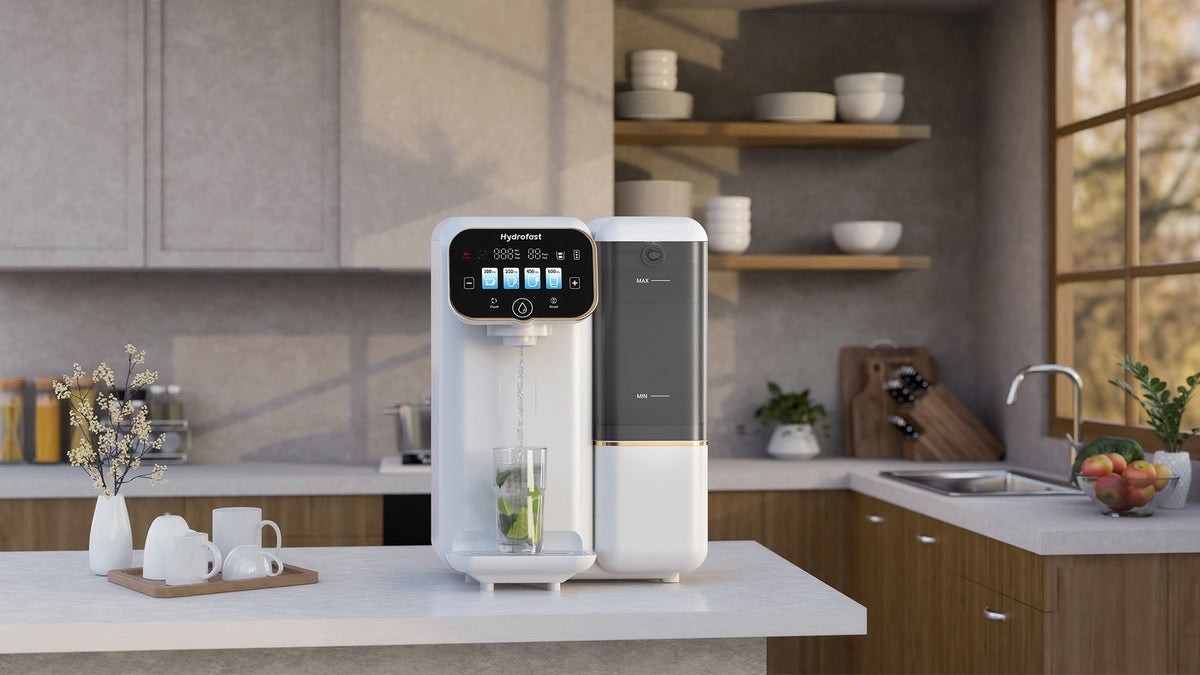
Living in an apartment changes how you deal with water quality. Most traditional reverse osmosis systems are designed for homes where plumbing modifications are easy, but rental properties rarely allow that.
Under-sink installations often require drilling, fittings, and landlord approval, which makes them less practical for temporary living. At the same time, bottled water is expensive and inconvenient over time, while tap water quality varies depending on location and building infrastructure.
This is why countertop reverse osmosis systems are becoming more common in apartments, especially among renters, students, and frequent movers. But the real question is simple: is a countertop RO water filter actually worth it for rental living?
The answer depends less on the technology itself and more on your daily living situation—how often you move, how much water you use, and how much convenience matters in a small kitchen space.
Why Renters Need a Different Water Filtration Solution
Installation Restrictions in Rental Properties
Many rental apartments restrict or discourage plumbing modifications. Under-sink RO systems typically require direct water line connections, fittings, and installation work that renters often cannot or do not want to do—especially for short-term leases.
This makes permanent filtration systems less practical in real rental environments.
Why Portability Matters for Renters and Frequent Movers
Renting is often temporary and unpredictable. People move for work, study, or lease changes, and each move resets the kitchen setup.
A portable filtration system avoids this friction. Instead of being part of the property, it becomes a personal appliance that moves with you—similar to a kettle or coffee machine.
How Rental Living Changes Product Priorities
In rental spaces, priorities shift away from capacity and permanence toward daily usability.
Most renters prioritize:
- Quick setup without tools
- Low maintenance
- Compact footprint
- Easy relocation
- Flexible use across homes
This is where countertop RO systems start to make more sense.
What Are the Benefits of Countertop RO Filters for Apartments
No Installation or Plumbing Required
A countertop RO system removes installation completely. There is no drilling, no plumbing work, and no need for landlord approval.
You simply fill the tank, plug in the unit, and it starts operating immediately.
Easy to Pack and Move
Unlike built-in systems, countertop units are not tied to a property.
When moving, you simply unplug and pack the system like any small appliance. It continues working in the next home without reinstallation, making it usable across multiple residences.
Advanced Filtration in a Compact Design
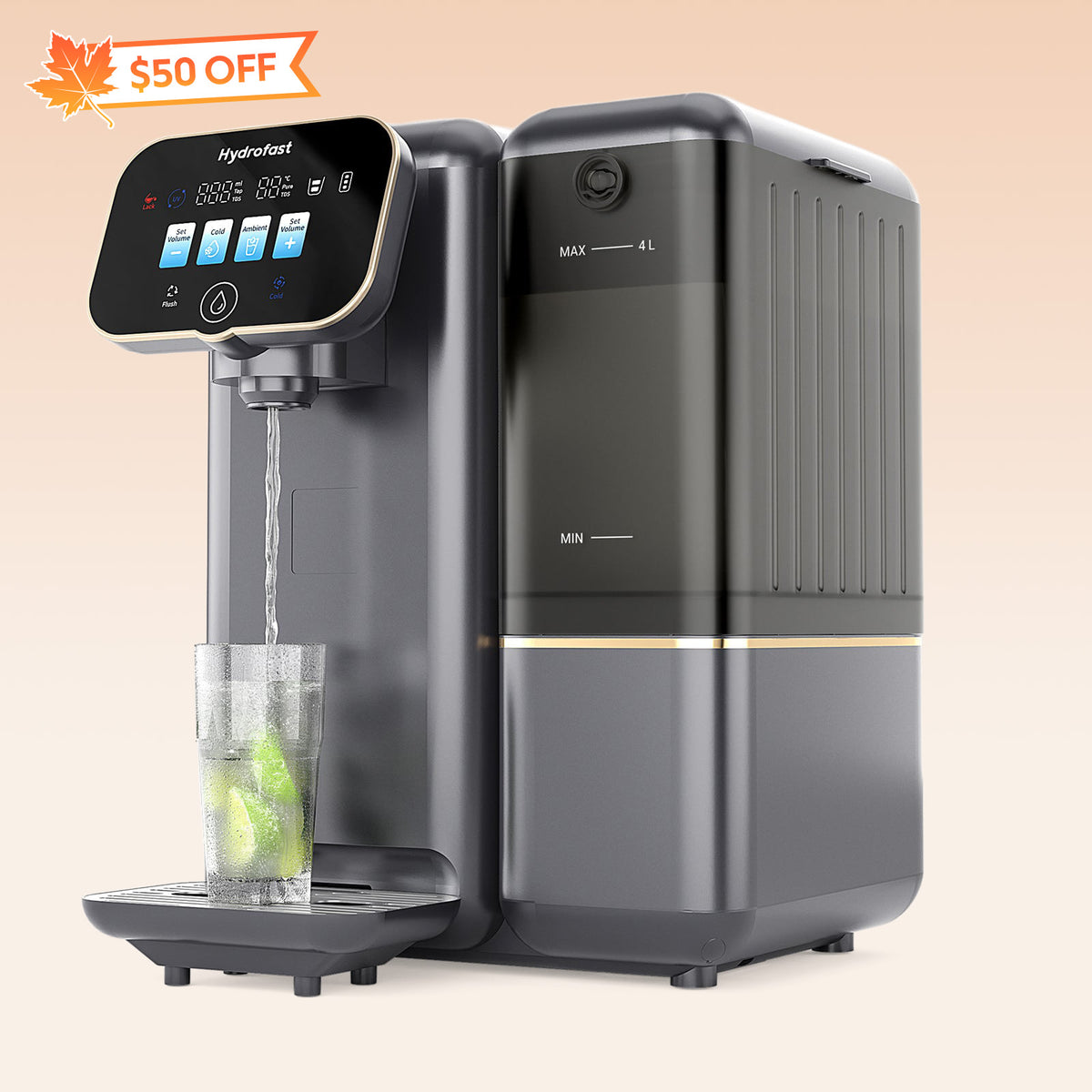
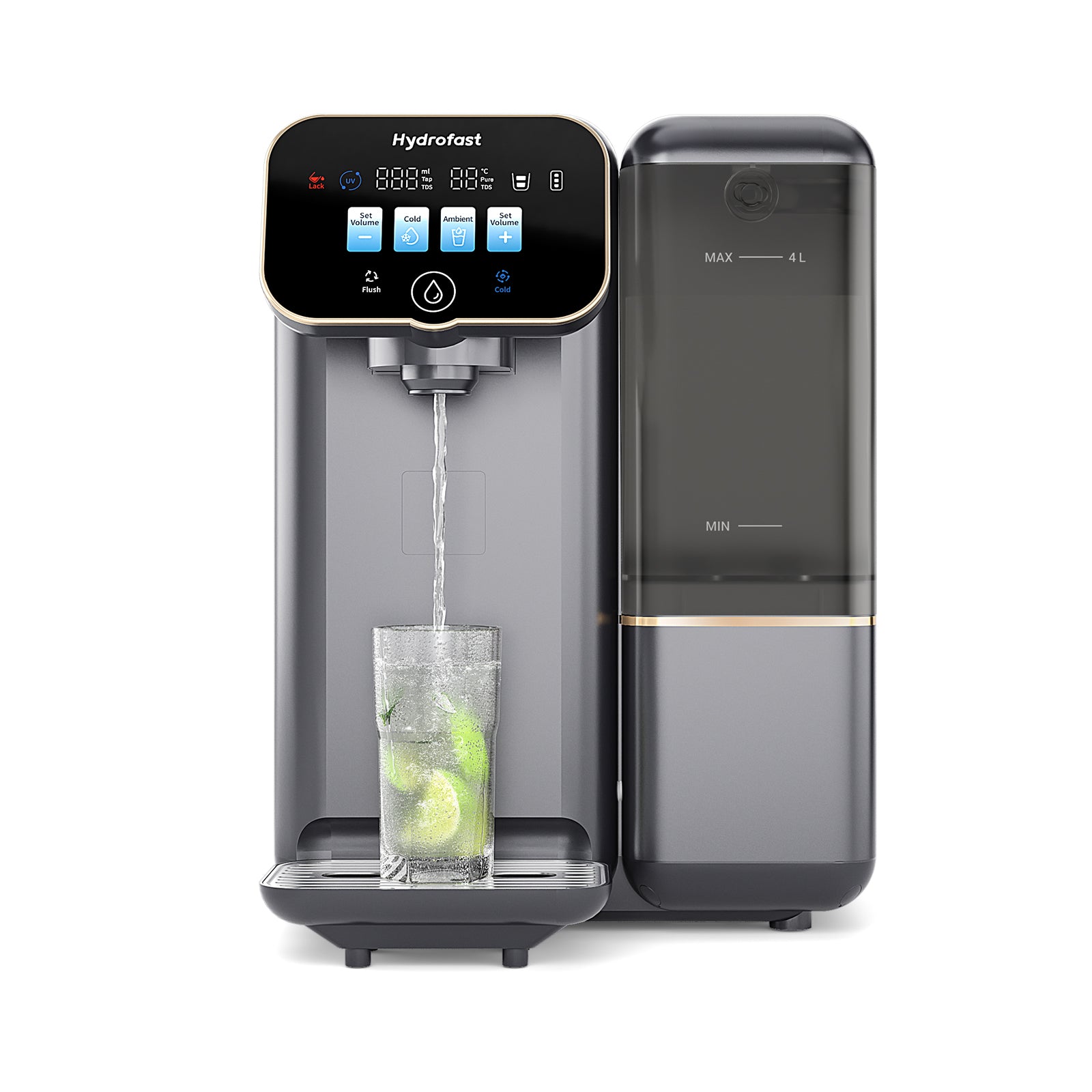
Modern systems such as the Hydrofast B100 and C100 integrate multiple filtration technologies into a compact unit:
- Pre-filtration for sediment, rust, and particles
- Activated carbon for chlorine and odor reduction
- 0.0001-micron RO membrane for up to 95% TDS reduction, heavy metals, and microplastics
- UV sterilization to reduce bacteria
- Mineralization to restore trace elements like calcium and magnesium

Breaking Down the Financials: The Real Cost Comparison
To understand whether a countertop RO system is worth the upfront price, it helps to compare its long-term expenses against the standard alternative: purchasing bottled water.
The Ongoing Cost of Bottled Water
For a typical two-person household consuming a combined total of four liters of drinking water per day, the numbers accumulate quickly:
- Daily consumption: Approximately 8 standard 500ml bottles per day.
- Monthly consumption: Around 240 bottles per month.
- Average cost: At an estimated $0.50 per bottle, this equals $120 per month.
- Annual total: Approximately $1,440 per year.
- Three-year lease total: Roughly $4,320 over a standard three-year rental cycle.
Aside from the direct financial cost, this option requires the physical effort of transporting heavy crates of water from the grocery store and creates a substantial volume of plastic waste that requires constant disposal.
The Cost of a Countertop RO System
A countertop RO system involves a higher initial purchase price but maintains significantly lower operational costs over time:
- Year 1: Approximately $300–$400 (includes the physical device and the initial filter set).
- Years 2 and 3: Approximately $80–$100 per year for replacement filters.
- Three-year total expense: Roughly $500–$600 overall.
The Financial Verdict
When you compare these two approaches, a countertop RO system typically pays for itself within the first three to four months of operation. Over a standard three-year rental cycle, it can save a household between $3,000 and $4,000 compared to single-use bottled water, while providing a continuous supply for both drinking and cooking needs.

What Are the Tradeoffs of Countertop RO Systems
Higher Upfront Cost Compared to Basic Filters
Compared to pitcher or faucet filters, countertop RO systems are more expensive due to multi-stage filtration, RO membrane technology, UV sterilization, and monitoring systems.

Requires Counter Space and Electricity
These systems require visible kitchen counter space and a nearby power connection. In small studio apartments or kitchens with limited counter layouts, choosing where to place the unit requires careful planning to maintain your food preparation area.
Filter Replacement and Maintenance
Like all RO systems, filters require periodic replacement.
Hydrofast B100 and C100 use an HF01 composite filter with quick-change design. Under normal usage, the filter lasts up to 12 months, supported by built-in tracking.
Modern RO Systems Are More Water Efficient
Older systems waste more water, but newer countertop RO units improve efficiency.
Hydrofast B100 and C100 use a 3:1 pure-to-drain ratio, reducing waste compared to traditional RO systems.
How Countertop RO Water Filters Work
Reverse Osmosis Filtration Process
Reverse osmosis forces water through a semi-permeable membrane with a filtration precision of 0.0001 microns.
Water passes through while dissolved impurities are separated and discharged as wastewater, leaving purified water for drinking and cooking.
Multi-Stage Purification Process
In systems like Hydrofast, water typically passes through:
- Pre-filtration (sediment removal)
- Activated carbon (chlorine and odor reduction)
- RO membrane (dissolved solids removal)
- UV sterilization (microorganism reduction)
- Mineralization (trace element restoration)
Each stage contributes to overall water quality improvement.
Countertop RO vs Under-Sink RO for Renters
| Feature | Countertop RO | Under-Sink RO |
|---|---|---|
| Installation | Plug-and-play | Plumbing required |
| Portability | High, moves like a kettle | Low, difficult to uninstall safely |
| Space Usage | Countertop space | Under-sink hidden |
| Water Source | Manual water tank refill | Direct connection to water line |
| Efficiency | High efficiency (~3:1 ratio) | Varies, often less efficient |
| Renter Friendliness | Hassle-free for rentals; requires zero property modifications and fits temporary living perfectly. | Highly restrictive for tenants; often blocked by landlord rules and better suited for permanent homes. |
Under-sink systems remain an excellent choice for long-term homeowners who possess the right to modify their property layout permanently.
For renters, students, and frequent movers, countertop systems offer a better fit because they eliminate installation disputes and provide complete portability.
When Is a Countertop RO System Worth It
A countertop RO system makes sense if you are:
- Renting an apartment without plumbing modification access
- Living in shared housing or dorms
- Moving frequently between homes
- Replacing bottled water consumption
- Looking for long-term convenience over short-term low cost
Hydrofast B100 vs C100: Which One Fits Your Apartment
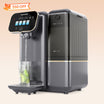
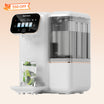
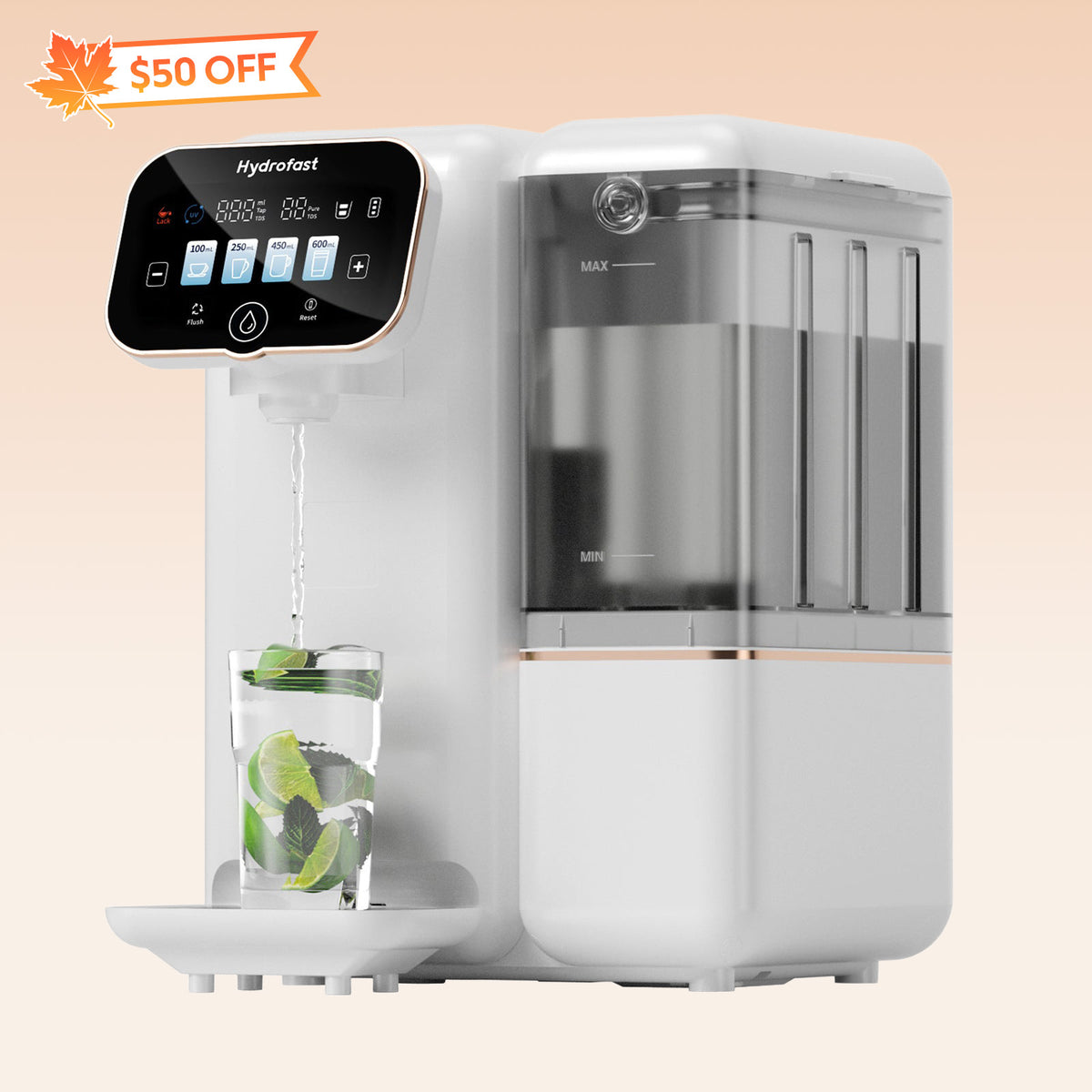
Hydrofast B100 and C100 are designed for renters who want advanced water filtration without the installation challenges that often come with traditional RO systems. Their compact, countertop design makes them easy to use in apartments, shared housing, offices, and other spaces where plumbing modifications are not practical.
Hydrofast B100: Designed for Everyday Drinking and Cooking
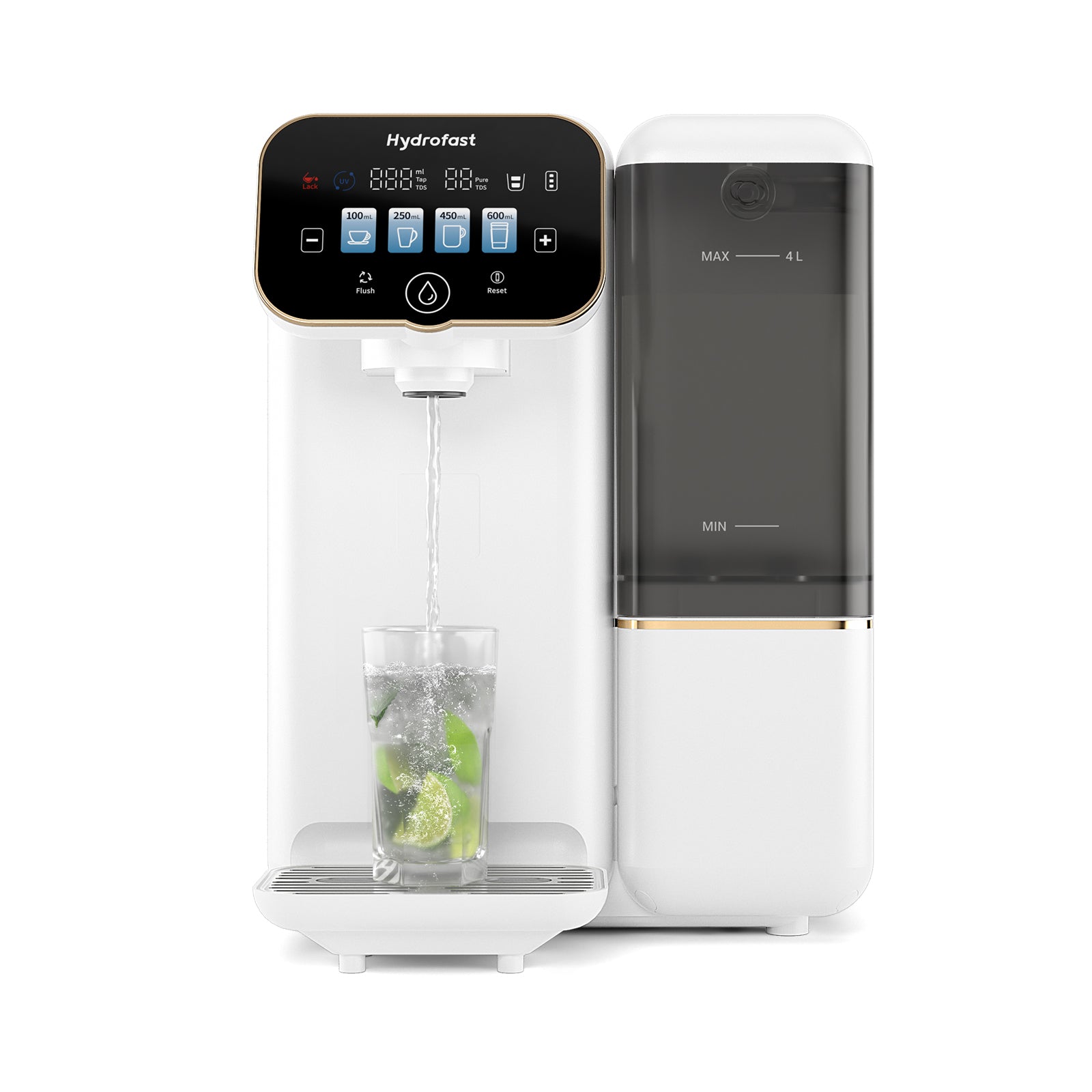
The B100 is a practical choice for individuals, couples, and smaller households. Its compact design fits comfortably on most apartment countertops, while the 4L raw water tank and 1.3L purified water tank provide enough capacity for daily drinking and cooking needs.
It also offers flexible dispensing options from 50ml to 999ml, making it easy to fill anything from a coffee mug to a cooking pot with the amount of water you need.
Hydrofast C100: Added Convenience for Chilled Water
The C100 includes the same filtration system as the B100 while adding an integrated cooling function that dispenses water at approximately 10°C.
With a 1.3L purified-water tank and a dedicated 0.5L chilled-water tank, it is better suited to families, shared apartments, or users who regularly enjoy cold drinking water without relying on refrigerator pitchers.
Which One Fits Your Routine?
- Choose the B100 if you mainly need purified room-temperature water for everyday drinking and cooking in a compact apartment setup.
- Choose the C100 if you prefer chilled water on demand, have higher daily water consumption, or share your living space with family members or roommates.
Conclusion
Countertop reverse osmosis systems are not designed to replace every single water filtration method on the market. Instead, they exist to solve a specific problem: providing advanced, multi-stage RO filtration without requiring permanent plumbing work.
For renters, students, and anyone living a flexible lifestyle, the combination of high portability, easy maintenance, and thorough filtration performance makes them a highly practical investment. The Hydrofast B100 and C100 systems fit into this modern lifestyle perfectly, offering full-scale reverse osmosis performance in a convenient, compact countertop design.
FAQ
Are countertop RO water filters worth it for apartments?
Yes. They are highly suitable for renters who cannot modify their plumbing or want to avoid losing their rental security deposit.
Do countertop RO systems require professional installation?
No. They operate entirely without plumbing modifications. You simply plug them into a standard wall outlet and fill the tank.
Is a countertop RO system better than a standard water pitcher filter?
Yes, in terms of filtration depth. Faucet filters and pitchers primarily reduce chlorine and odor, while RO membranes block microscopic heavy metals, microplastics, and dissolved solids.
How long do countertop RO filters last before replacement?
Most high-quality composite filters last between 6 to 12 months, depending on your local tap water quality and daily usage habits.
Can renters safely use reverse osmosis systems?
Yes. Countertop RO systems are engineered specifically for rental, temporary, and flexible living environments because they cause zero structural damage.


Hinterlasse einen Kommentar
Alle Kommentare werden vor der Veröffentlichung geprüft.
Diese Website ist durch hCaptcha geschützt und es gelten die allgemeinen Geschäftsbedingungen und Datenschutzbestimmungen von hCaptcha.